


Renting to Tourists in Dubai: DTCM Holiday Home Rules in Detail
You can't short-let in Dubai without a permit. Here's the DTCM holiday home rules in detail, the costs, the catches, an
At first glance, renting your flat in Dubai to tourists looks simple: place the property on the market, give out keys, earn more money compared to the typical rent for tenants. And if the location is appropriate, then earnings will be better. But there is one important nuance that people tend to forget until the problems begin: the rental of the flat is not allowed without necessary permission.
Holiday home rentals in Dubai are regulated by Dubai Tourism of the Department of Economy and Tourism (formerly DTCM). The law says it all – licensing is obligatory, otherwise it is a crime and penalties may be applied. The good news is that if you obtain necessary licensing and do everything correctly, you will get into a legitimate and tested business.
The article gives a detailed guide on holiday home licensing in Dubai. Licensing is obligatory. It covers two existing modes of operation, the exact specifications concerning permits and guests registration, costs and risks, including those often ignored. It also gives the objective analysis whether holiday rental is better than regular leasehold for a specific owner.
Firstly, some general information. As usual, the regulations and rates here are subject to changes and can differ slightly, so please refer to Dubai Tourism website of the Department of Economy and Tourism. This guide gives only the general idea of holiday home legislation and its nuances. If you need any assistance in organizing your holiday flat, we would be glad to help you with it, but regulation itself is up to the regulator. So, let us start.
You Must Be Licensed, No Exceptions
Let's start with the rule that matters most, because everything else builds on it. You need a permit to short-let a property to tourists in Dubai. This is not optional, not a grey area, and not something to skip and hope nobody notices. Operating a holiday home without the proper permit is illegal, and the authorities do enforce it.
The body in charge is Dubai Tourism, which sits within the Department of Economy and Tourism, the department most people still call DTCM. They run the Holiday Homes programme, issue the permits, set the standards, and police the market. If you want to rent to tourists by the night or the week, you do it through their system, full stop.
Here is what that means in practice:
- A permit is required per unit. Each property you short-let needs to be registered and permitted, not just you as an operator.
- Unlicensed letting is illegal. Listing a place on a booking site without a permit puts you on the wrong side of the rules.
- Fines apply. Operating without a permit can lead to penalties, and your listings can be taken down.
- It is a real, legitimate business. Done properly, holiday-home letting is fully above board and widely practised.
- The regulator sets the standards. Furnishing, classification, guest registration, and fees are all defined by Dubai Tourism.
- Booking platforms are watched. The big short-let platforms operate within these rules, so cutting corners is harder than it looks.
So the first decision is not which platform to list on or how to price it. It is getting licensed. Everything else, the income, the bookings, the reviews, only matters once you are operating legally. Skipping this step is the single biggest mistake people make, and it is the one that can cost you the most.
The good news is that the process is well-trodden. Thousands of units operate legally as holiday homes in Dubai, and the path to getting permitted is clear if you follow it. The point of this guide is to show you that path, so you do it right from the start rather than scrambling to fix it later.
Two Ways to Operate
Dubai gives you two legitimate routes to run a holiday home, and which one fits depends on how hands-on you want to be and how many units you have. The two routes are operating as a homeowner yourself, or going through a licensed operator.
The homeowner route lets you register your own property and manage it yourself. You get the permit in your name as the owner, handle the listings, the guests, the cleaning, and the rest. It suits owners with a unit or two who want full control and are happy to do the work, or pay piecemeal for parts of it. There are limits on how many units an individual can run this way.
The operator route means handing your property to a licensed Holiday Homes operator, a company permitted to run units on behalf of owners. They handle the permit side, the listings, the guests, the turnaround, and the compliance, and you receive the income less their fee. It suits owners who want the returns without the daily work, who live abroad, or who have several units to run.
Here is how to choose between them:
- Number of units. One or two and self-managing is workable. Several, and an operator usually makes more sense.
- Your time. Self-managing is a real, ongoing job. An operator takes that off your plate.
- Where you live. If you are overseas or busy, an operator is far more practical than trying to do it yourself.
- Control versus convenience. Doing it yourself gives full control. An operator trades some of that for ease.
- The fee. An operator takes a cut, so weigh that against the value of your time and the bookings they can drive.
- Compliance. A good operator keeps you on the right side of the rules, which has real value in a regulated market.
The honest read is that the homeowner route can work nicely for a hands-on owner with a unit in a strong location, while the operator route suits almost everyone else. There is no shame in either. It comes down to whether you want a side business or a passive income, and how much of your own time you want to pour into it.
The Holiday Home Rules in Detail
Now the meat of it, the actual requirements. These are the things you have to get right to run a holiday home legally. The exact paperwork and fees shift over time, so use this as the detailed shape and confirm the current specifics on the official platform.
To get a permit, you generally need to prove you have the right to let the property and that it meets the standards. That means documents like the title deed if you own it, or, if you are a tenant, a No Objection Certificate from the owner giving permission to short-let, since you cannot do it behind a landlord's back. You will also typically need utility bills, your Emirates ID or passport, and the unit registered and furnished to the required standard. The general rules around government services and permits are set out on the UAE government portal, with the detailed holiday-homes rules held by Dubai Tourism.
Here are the rules in detail:
- Permit and registration. Each unit must be registered and permitted with Dubai Tourism before you take a single booking.
- Owner permission if you rent. Tenants need a No Objection Certificate from the owner to short-let a leased property.
- Furnished to standard. The unit must be fully furnished and equipped, and it is classified, usually as standard or deluxe.
- Guest registration. Guest details must be registered with the authorities for each stay, much as a hotel records its guests.
- The Tourism Dirham fee. Holiday homes charge guests a per-bedroom, per-night tourism fee, which you collect and pass on.
- Insurance and safety. The unit is expected to meet safety and insurance requirements suitable for paying guests.
The guest registration point surprises some owners. Just like a hotel, a holiday home has to record who is staying, so you are not simply handing keys to a stranger off a website with no paper trail. It is part of what makes the licensed system legitimate, and it is non-negotiable.
The Tourism Dirham is the other detail people forget. It is a small fee, often in the region of AED 10 to 15 per bedroom per night, paid by the guest but collected and remitted by you, and it has to be built into how you price and account for each stay. None of these rules is especially hard on its own. The work is in doing all of them, consistently, for every booking, which is exactly why many owners hand the whole thing to an operator.
The Costs and the Catches
Holiday-home letting can pay well, but it is not free money, and a few costs and catches trip people up. Let's lay them out so you go in clear-eyed.
On costs, there is more to it than the permit. You pay registration and permit fees per unit, usually annually, and there is the Tourism Dirham you collect from guests and pass on. Then there are the running costs that long-term landlords never see, regular cleaning between guests, laundry, restocking, utilities you pay rather than the tenant, furnishing and maintaining the place to a guest-ready standard, and platform or operator fees. These add up, and they eat into that higher headline income.
If you are buying a unit specifically to short-let, remember the purchase costs too. Ownership is registered with the Dubai Land Department, with the usual transfer fee on top of the price, so factor that into your numbers before you treat short-letting as a quick win.
Here are the catches to watch for:
- Community and building rules. Some buildings and communities restrict or ban holiday homes, so check before you assume you can.
- Owner permission. As a tenant, you need the owner's No Objection Certificate, and without it you cannot short-let at all.
- Seasonality. Tourist demand rises and falls through the year, so income is lumpy, not a flat monthly figure.
- Void nights. Empty nights between bookings are lost income, and a long-term tenant would have paid for them.
- The workload. Guests, cleaning, messages, and reviews are constant, far more hands-on than a yearly tenant.
- Fees and taxes. Permit fees, the Tourism Dirham, and operator cuts all reduce the net, so model the real number.
The community-rules catch is the one that surprises owners most. Not every building allows holiday homes, and some owners associations and developers restrict them, so you must check that your specific property is allowed to operate as a holiday home before you spend a dirham setting it up. Assuming you can, and finding out you cannot, is an expensive mistake.
If all of this sounds like a lot to handle, that is because it is, and it is exactly why many owners use a licensed operator. Our holiday homes and short-term rental service can handle the permit, the listings, the guests, and the compliance for you, so the income arrives without the daily grind landing on you.
Is It Worth It? Short-Let vs Long-Let
So after all the rules, costs, and effort, the real question is whether short-letting beats simply renting to a normal tenant for a year. It depends, and it is worth weighing properly. We compared the two, each on one line:
- Gross income: short-letting can out-earn a long let in a strong tourist area, while a long let brings a lower but steadier figure.
- Effort: short-letting is a hands-on, ongoing job, while a long let is largely set-and-forget once a tenant is in.
- Running costs: short-letting carries cleaning, furnishing, utilities, and fees, while a long let shifts most of that to the tenant.
- Flexibility: short-letting lets you block out dates and use the place yourself, while a long let ties it up for the year.
- Risk: short-letting income swings with the season and void nights, while a long let pays the same each month.
- Net result: after costs and effort, the gap narrows, so the honest answer always comes down to running your own numbers.
The pattern is clear once you see it. Short-letting can win on gross income and flexibility, especially in a prime tourist spot, but it loses on effort, costs, and steadiness. A long let wins on simplicity and certainty but caps your income and your access to the property. Neither is automatically better. It depends on your location, your appetite for the work, and whether you value income or ease.
Location matters more than almost anything here. Short-letting works best where tourists actually want to stay, the beachfront, the marina, the central, walkable, view-heavy areas. A unit in a prime spot like Dubai Marina can do well as a holiday home, where the demand is constant. Our Dubai Marina area guide gives a sense of why areas like it draw short-stay visitors year-round. A unit out in a quiet residential community, by contrast, is usually better as a long-term let.
If, after weighing it, a steady long-term tenant suits you better, that is a perfectly good outcome, and a managed long let is far less work. Our property management team can run a long-term let for you just as easily, so you can pick the model that fits your life, not just the one with the bigger headline number.
What We Would Actually Do
The short and simple evaluation of renting out to tourists in Dubai is the following: It can be a legal and lucrative way of doing business, as long as it is done in accordance with all regulations that apply to this activity. One will need to have a valid permit, conforming to all standards, pay appropriate fees, register all guests, and ensure that the building in question allows holiday rentals.
From this standpoint, the recommendation given to a friend who wants to engage in vacation rentals should include getting the permit first and foremost. Furthermore, it will be necessary to check the current laws, regulations, and fees concerning this type of rental on the Dubai Tourism official website, as they can always change. It is important to know whether the given building allows vacation rental and whether one's community permits it. Also, it will be helpful to let the friend know that he should be prepared to work hard, as renting property is not passive earning, but rather an entrepreneurial effort, unless there is a dedicated operator for this purpose.
Another point that is worth making relates to conducting a proper analysis. Headlines stating that vacation rentals yield twice as much income as long-term ones fail to account for costs related to cleaning, paying various fees, furnishing the property, possible gaps between the rental terms, and personal time off. Sometimes the first option turns out to be better, and in other cases, a steady and reliable tenancy prevails. Only calculations made individually for the given case will allow knowing which scenario will be more beneficial.
All in all, if done properly, a holiday house in the popular with tourists location can become a valuable and flexible resource for the person in question. Otherwise, the risks are considerable.
If you are thinking of buying a unit specifically to short-let, our property buying service can help you pick one in an area where holiday-home demand actually stacks up.
And if you want a straight conversation about whether your property suits short-letting, and how to get it licensed and running properly, we do this every day and are glad to help. Get in touch and we will take it from there.
Related stories
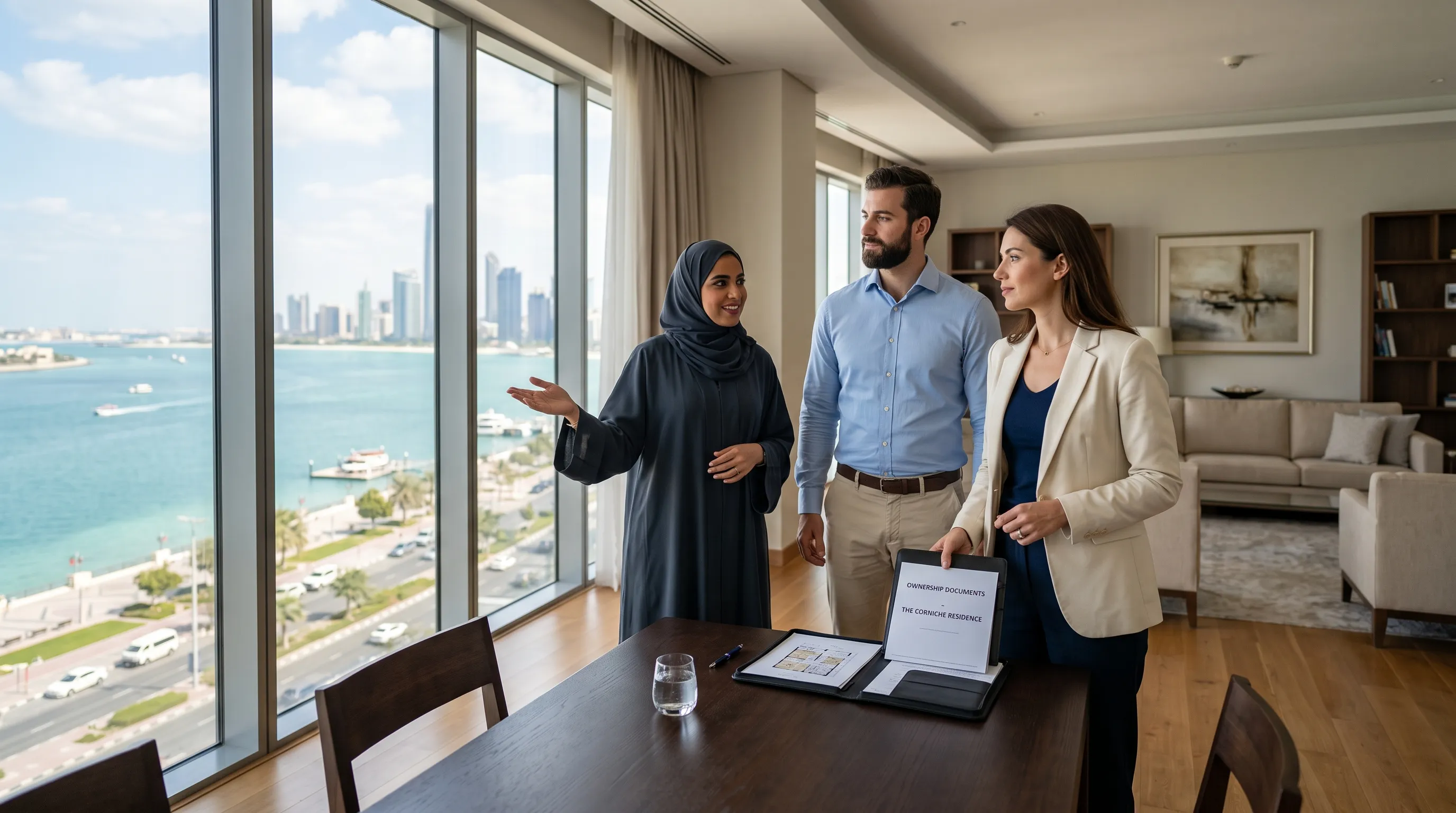
Buying Resale in Dubai vs Abu Dhabi: The Hidden Differences
Buying resale in Dubai vs Abu Dhabi: the hidden differences in fees, land authorities, ownership zones, and process, an
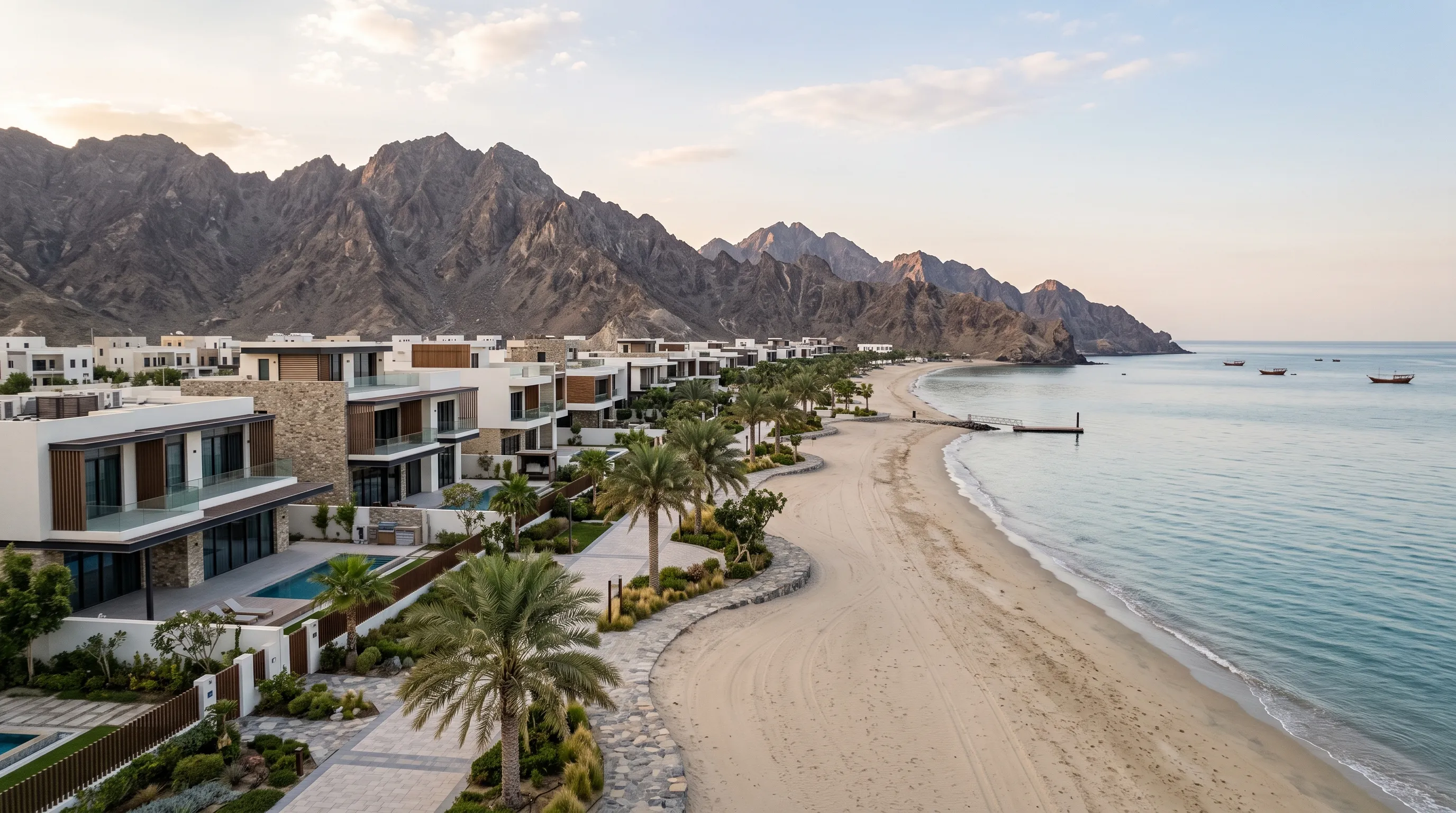
Fujairah Property: The Quiet Emirate Nobody Talks About
Fujairah property, honestly: the UAE's quiet east-coast emirate, its lifestyle appeal, the thin market and limited owne

How Interest Rate Cuts Affect Dubai Property: What Buyers Should Know
How interest rate cuts affect Dubai property: why UAE rates track the US, how cheaper mortgages move demand and prices,
Echoes, in your inbox
One thoughtful email a month. Market insight, new launches, no spam.