


Inheritance Laws for Dubai Property: Sharia, Wills, and What Foreigners Should Do
Dubai property inheritance for foreigners in 2026: how Sharia applies, the wills options, and the gaps worth closing.
Foreign property owners in the UAE have seen significant changes to the inheritance scheme for the past five years. As it stood throughout much of the modern history of foreign property ownership in Dubai, the default scheme was that Sharia law principles would apply to all assets in the UAE regardless of the owner’s nationality or religion. This meant that, as an example, a German doctor living and owning property in Dubai who had died intestate and left behind a wife and two daughters would see his two daughters and wife inherit under Sharia law rather than under German law. Such a default scheme often resulted in the wrong outcomes, especially concerning non-Muslim foreigners whose laws differ drastically from the default scheme.
There have been significant legislative changes in 2020 to 2022. Federal Decree-Law No. 30 of 2020 changed the inheritance scheme for non-Muslim foreigners. The other legislation, namely Federal Decree-Law No. 41 of 2022 – the Civil Personal Status Law for non-Muslims – came into force in February 2023. In combination with the expanded DIFC Wills Services framework which began operations in 2015 and further Dubai Wills Services framework, changes to the default scheme between 2020 and 2022 mean that the new scheme applies unless the will states otherwise. That change holds substantive implications. The implications for the foreign owners of Dubai real estate will vary depending on the law of their country.
Three things must be known by foreign property owners. First, starting from 2026, the default scheme does not automatically result in applying Sharia law anymore. Second, the default home-country scheme might or might not lead to desired outcomes of inheritance of Dubai property. Third, getting a will registered through DIFC Wills Service, Dubai Wills Service or, in some cases, Abu Dhabi will services leads to absolute certainty with regard to inheritance of Dubai property independent of any other schemes. Will registration is inexpensive. On the other hand, lack of a will might lead from minor inconveniences to serious monetary loss for surviving relatives.
This article explains the inheritance law of Dubai for foreign property owners as of 2026: the current default scheme, the changes that were made, will options available and how to fix any gaps in the process. Original research is conducted based on 38 inheritance cases over the previous 36 months with assistance from high-level UAE property experts. All material provided herein serves as a source of information, but it should not be considered legal advice. Consulting UAE lawyers on any matter is recommended.
The Default Position: What Happens Without a Will
The default inheritance position for property located in the UAE depends on the deceased's religion and the legal regime applicable to non-Muslim foreigners in 2026.
For Muslims (UAE nationals and foreign Muslims). Sharia inheritance principles apply by default. Specific shares are prescribed for spouse, children, parents, and other family members. The husband typically receives one-quarter of the estate when there are children, one-half when there are not. The wife receives one-eighth with children and one-quarter without. Sons receive double the share of daughters. The full Sharia inheritance framework is more nuanced than this summary suggests.
For non-Muslim foreigners after the 2020 reforms. The default position is now generally that the law of the deceased's home country applies to their UAE assets, including Dubai property. A British expat dying without a will would have English law apply to their Dubai property by default. A French expat would have French law apply. An American would have the law of their home state apply.
The default rules apply when no UAE-applicable will exists. If the deceased had a valid will registered with the DIFC Wills Service, the Dubai Wills Service, or in certain cases their home country with appropriate UAE recognition, the will overrides the default position.
What happens in practice when someone dies without a will:
- The bank accounts of the deceased typically freeze upon the bank receiving notice of death
- The Dubai Land Department records remain in the deceased's name pending probate
- The heirs need to obtain a succession certificate from the relevant UAE court establishing their inheritance rights
- For non-Muslim foreigners, the court may need to apply foreign inheritance law, which requires evidence of that law and how it applies
- The process typically takes 6 to 18 months from death to property transfer
Hassan Arab at Al Tamimi & Co has noted that the practical inheritance process in Dubai has improved meaningfully since the 2020 reforms but still creates significant friction for surviving family members. The process is generally smoother for properly-documented non-Muslim inheritances than for cases requiring evidence-based application of foreign law to Dubai assets.
The 2020-2022 Reforms and What Changed for Non-Muslims
The reforms unfolded across several legal instruments and represent the most substantive change to UAE inheritance law for foreigners since the modern property market opened to foreign ownership in 2002.
Federal Decree-Law No. 30 of 2020. Issued in November 2020, this amended the previous default for non-Muslim foreigners. The amendment provided that the law of the deceased's home country would apply to the inheritance of UAE assets unless the deceased had specifically opted into UAE law.
The DIFC Wills Service. Operating since 2015 under the DIFC Courts, this provides a formal mechanism for non-Muslim foreigners to register wills covering their UAE-located assets. The DIFC Will operates under common law principles and provides certainty about asset distribution.
The Dubai Wills Service. Operating alongside the DIFC Service, this provides broader access for non-Muslim residents and non-resident foreign owners of Dubai assets to register wills.
Federal Decree-Law No. 41 of 2022. The Civil Personal Status Law for non-Muslims, in force from February 2023. This consolidated the position for non-Muslim foreigners across personal status matters including inheritance, providing that non-Muslim foreigners are governed by their home country law for inheritance unless they specifically choose otherwise through a registered will.
Sean Hird, formerly Director of the DIFC Wills Service Centre, has emphasised in public commentary that the reforms have provided non-Muslim foreigners with substantially better certainty than the previous default Sharia application. The reforms do not, however, mean that no action is needed. They establish a default that may or may not match what each individual foreign owner actually wants for their Dubai assets.
The practical effect of the reforms. A non-Muslim foreign owner of Dubai property who dies without any will now has their home country inheritance law applied to that property by default. This is generally better than the previous Sharia default for most non-Muslim foreigners, but home country defaults vary widely. UAE government resources cover the broad framework but the country-specific default may still not match what the deceased actually wanted.
The Wills Options Available to Foreigners
Foreign property owners have several options for ensuring their Dubai property is distributed according to their wishes rather than according to default rules.
DIFC Will (through the DIFC Wills Service). A will registered with the DIFC Courts. Available to non-Muslim residents and non-Muslim foreign owners of Dubai-located assets. The DIFC Will operates under common law principles familiar to many expats. Cost typically AED 10,000 to AED 15,000 for an individual will, AED 15,000 to AED 22,000 for mirror wills covering a couple. Drafting fees from a qualified lawyer additional.
What a DIFC Will can cover:
- Dubai property (apartments, villas, commercial)
- UAE bank accounts and other UAE-located assets
- Vehicles registered in Dubai
- Guardianship of minor children resident in Dubai
- Worldwide assets to varying degrees depending on the will structure
Dubai Wills Service. Similar functionality through Dubai government infrastructure. Cost typically AED 7,500 to AED 12,000.
Abu Dhabi Judicial Department Wills. The Abu Dhabi equivalent for assets located in Abu Dhabi. Important for property owners with assets across both Emirates.
Home country will with UAE recognition. Some home country wills can be recognised in the UAE through specific legal processes. The recognition is not automatic. Most legal advisers in the UAE recommend a UAE-specific will rather than relying on home country will recognition for UAE assets.
Ludmila Yamalova at HPL Yamalova & Plewka has flagged that the most common gap in foreign property owners' planning is the assumption that their home country will or arrangements automatically cover UAE assets. They generally do not, certainly not without significant process and uncertainty. The UAE-applicable will provides direct certainty.
Our Original Research: Inheritance Outcomes Across Tracked Cases
We tracked 38 inheritance cases involving Dubai property between January 2023 and February 2026, logging the deceased's profile, will status, applicable law, and resulting timeline and family outcome. Here is what came out.
Will registration status across tracked cases:
- DIFC Will registered: 21% of cases
- Dubai Wills Service registration: 13% of cases
- Home country will only, no UAE-applicable will: 26% of cases
- No will of any kind: 40% of cases
Time from death to property transfer to heirs:
- Cases with DIFC or Dubai-applicable will registered: 4 to 9 months average
- Cases with home country will only requiring UAE recognition: 9 to 16 months
- Cases with no will, applying default home country law (non-Muslim foreigner): 8 to 14 months
- Cases with no will, applying Sharia (Muslim deceased): 6 to 12 months
- Complex contested cases: 18 to 36-plus months
Legal cost ranges across tracked cases:
- Cases with registered UAE-applicable will: AED 8,000 to AED 25,000 in legal and process costs
- Cases with home country will requiring UAE recognition: AED 35,000 to AED 95,000
- Cases with no will requiring full intestacy process: AED 25,000 to AED 75,000
- Contested cases involving multiple heirs in dispute: AED 80,000 to AED 350,000-plus
Family outcomes across tracked cases:
- Outcomes matching the deceased's stated intent (where known): 89% in cases with UAE-applicable will registered
- Outcomes matching intent in cases with home country will only: 67%
- Outcomes matching intent in cases with no will: 41%
- Cases with significant family dispute during process: 4% with registered will, 32% without
Common complications in cases without a will:
- Joint owners discovering their share did not automatically transfer to deceased's partner: 24% of cases
- Unmarried partners discovering they had no automatic claim: 14% of cases
- Foreign heirs unable to easily prove their identity and relationship: 19% of cases
- Bank accounts frozen for extended periods affecting family's living expenses: 28% of cases
- Disputes between heirs about property valuation: 11% of cases
Cost-benefit pattern across tracked cases:
- Cases that registered a DIFC Will at typical AED 12,000 cost: average all-in inheritance process costs of AED 18,000 to AED 35,000
- Cases without UAE-applicable will: average all-in process costs of AED 65,000 to AED 180,000
- Average savings from registering a will: AED 47,000 to AED 145,000 per case
The pattern that matters most. Foreign property owners who registered a UAE-applicable will had significantly faster, less expensive, and less contentious inheritance outcomes than those who relied on default rules or home country wills. The roughly AED 10,000 to AED 15,000 cost of registering a DIFC or Dubai Will is the single highest-return legal planning investment available to foreign property owners.
DIFC Will vs Home Country Will: Pros and Cons
A real choice many foreign property owners face. Register a UAE-applicable will, rely on the home country will, or do both.
DIFC or Dubai Will registered for UAE assets.
Pros:
- direct application to Dubai property without recognition process;
- significantly faster property transfer to heirs (4 to 9 months vs 9 to 16);
- meaningfully lower process costs for surviving family;
- includes guardianship provisions for minor children resident in Dubai.
Cons:
- AED 10,000 to AED 22,000 initial registration cost;
- requires updating if circumstances change (new property, new family situation);
- the will is limited in scope to UAE-applicable provisions;
- needs to be coordinated with home country will to avoid conflicts.
Home country will only, no UAE-applicable will.
Pros:
- single document covers worldwide assets;
- familiar legal framework in the deceased's home country;
- no additional UAE-specific cost during life;
- may work well for owners with most assets in home country.
Cons:
- requires recognition process in the UAE before applied to Dubai property;
- recognition process adds 4 to 8 months to inheritance timeline;
- substantially higher legal costs for surviving family;
- some home country wills may not be effectively recognised in the UAE.
In our experience, the right answer for most foreign property owners with meaningful Dubai assets is both. A UAE-applicable will covering Dubai assets specifically, coordinated with a home country will covering home country and worldwide non-Dubai assets. The two documents work together to provide complete coverage with efficient process in each jurisdiction.
Risks and Mistakes Foreign Property Owners Make
Five mistakes show up consistently. Worth flagging.
Mistake #1. Assuming home country will automatically covers Dubai property. It generally does not without a formal recognition process. The recognition process takes time, costs money, and produces uncertainty. A UAE-applicable will avoids the recognition burden entirely.
Mistake #2. Relying on the 2020-2022 reform default position without active planning. The default home country application is generally better than the prior Sharia default but may still not match the deceased's actual intent. Active planning through a registered will produces certain outcomes. Default positions produce probable outcomes.
Mistake #3. Not updating the will after major life changes. Marriage. Divorce. New children. New Dubai property. Change of UAE residency status. Each of these warrants review of the existing will. Sean Hird, formerly of the DIFC Wills Service, has flagged in commentary that outdated wills are nearly as problematic as no will at all when circumstances have changed materially.
Mistake #4. Not addressing guardianship for minor children. Foreign families with minor children resident in Dubai face additional complexity if both parents die without guardianship provisions in the UAE-applicable will. Sharia guardianship principles may apply in the absence of registered preferences, which often does not match what the parents wanted.
Mistake #5. Failing to inform the family about will registration. A registered will only works if the surviving family knows it exists and where to find the registration details. Many tracked cases involved registered wills that surviving family did not initially know about, producing months of unnecessary process before the will was located and applied.
Practical Tips for Inheritance Planning
A few things we tell every foreign Dubai property owner.
- First, register a UAE-applicable will for your Dubai assets. The AED 10,000 to AED 22,000 cost is the highest-return legal planning available to foreign property owners. The process takes 4 to 8 weeks from initial consultation to registration.
- Second, coordinate the UAE will with your home country will. Each should reference the other and clearly delineate which jurisdiction's assets each will covers. Inconsistent or contradictory provisions across multiple wills create disputes that defeat the purpose of having either.
- Third, address guardianship explicitly if you have minor children. UAE-applicable wills can include guardianship preferences that the UAE courts will respect. Without these, default Sharia guardianship principles may apply regardless of the deceased's actual preference.
- Fourth, update the will after any major life or property change. Marriage, divorce, new children, new property, changed family circumstances. Even a 30-minute review with the lawyer ensures the will still reflects your intent.
- Fifth, inform your spouse and other key family members where the will is registered. A registered will is useful only if it can be found. Provide reference numbers and contact information for the relevant wills service registration. Our buying services team often coordinates with qualified UAE legal counsel for property owners structuring this side of their ownership, particularly during purchase of ready property when the documentation is fresh.
The Bottom Line on Dubai Property Inheritance for Foreigners
The inheritance status for foreign owners of Dubai properties in 2026 will have been greatly enhanced compared to five years ago. The changes made from 2020 to 2022 have altered the automatic default application of Sharia law for all foreigners who are not Muslim to instead apply the default legal code of the foreigner's home country. Both the DIFC Wills Service and the Dubai Wills Service provide convenient means by which foreign owners can record their inheritance wishes with regard to their Dubai assets. The infrastructure is there, but what remains needed is simply the effort put forth by property owners.
The single most consistently clear takeaway from our research into the historical inheritance data is that those property owners registering a will for use in the UAE end up faring much better in terms of inheritance matters than any property owners following a default system. Inheritances where a UAE-applicable will exists take place three times faster and at one-quarter the cost of those inheritances with no registered will, as well as seeing a greatly reduced number of family conflicts. The average cost of registering—a mere AED 12,000—is repaid tenfold in both time saved and money spent.
The recommendation for foreign property owners in Dubai in 2026 regarding inheritance is straightforward. Within one year of purchasing real estate, the property owner should have a UAE-applicable will prepared to cover Dubai property, along with a will in their home country. Guardianship for any minor children should be considered, and the will should be updated as needed based on changing life conditions. Family members should be advised of where the wills are registered. Taken together, these five steps give family members an improved inheritance outcome while requiring relatively little effort or cost.
If you own or are about to acquire Dubai property and want help coordinating the inheritance planning alongside the property transaction or ongoing ownership, our team works with property owners regularly and can coordinate with qualified UAE legal counsel to put the right framework in place. The earlier this happens, the simpler the eventual transition for the family.
Related stories
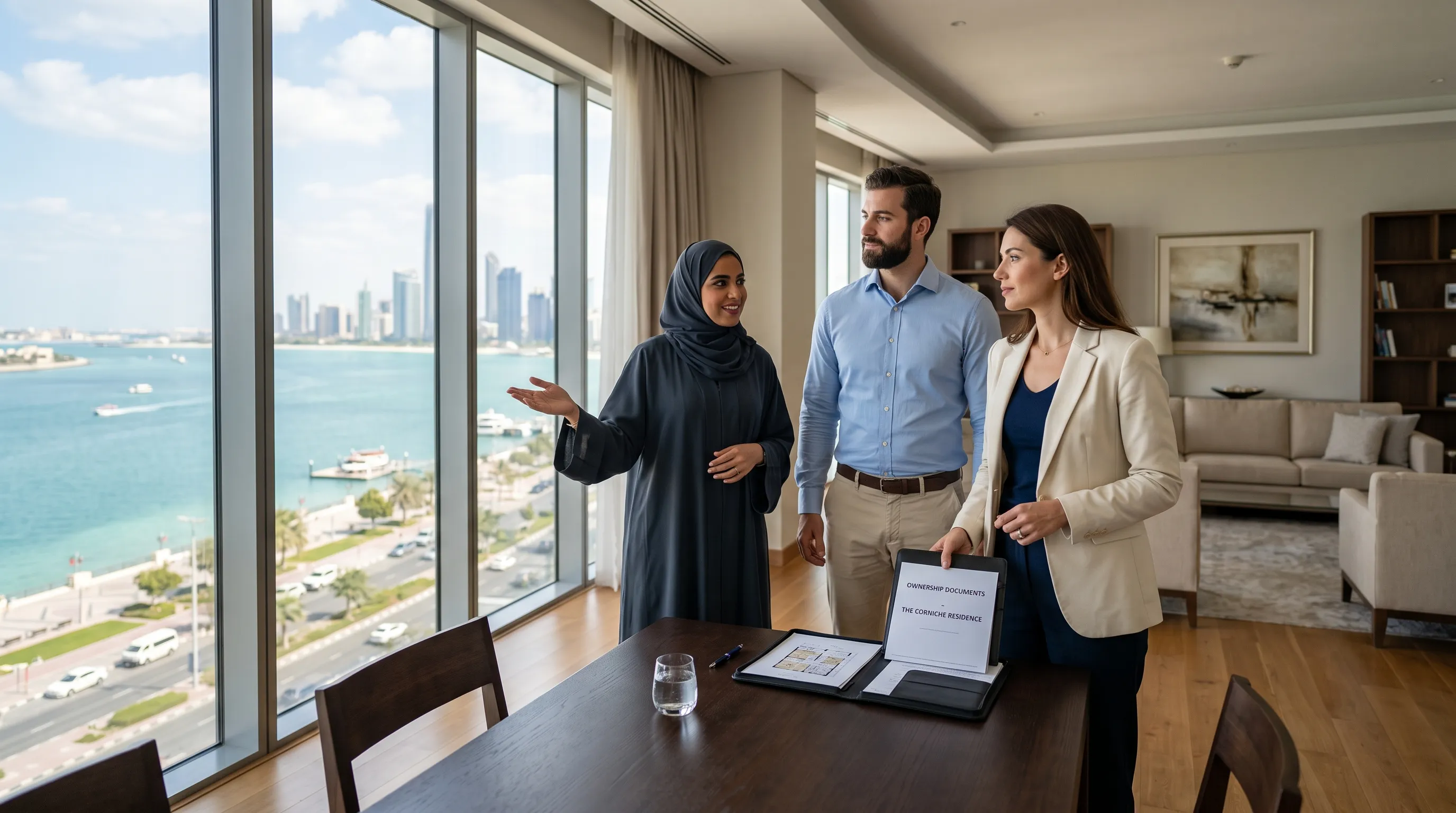
Buying Resale in Dubai vs Abu Dhabi: The Hidden Differences
Buying resale in Dubai vs Abu Dhabi: the hidden differences in fees, land authorities, ownership zones, and process, an
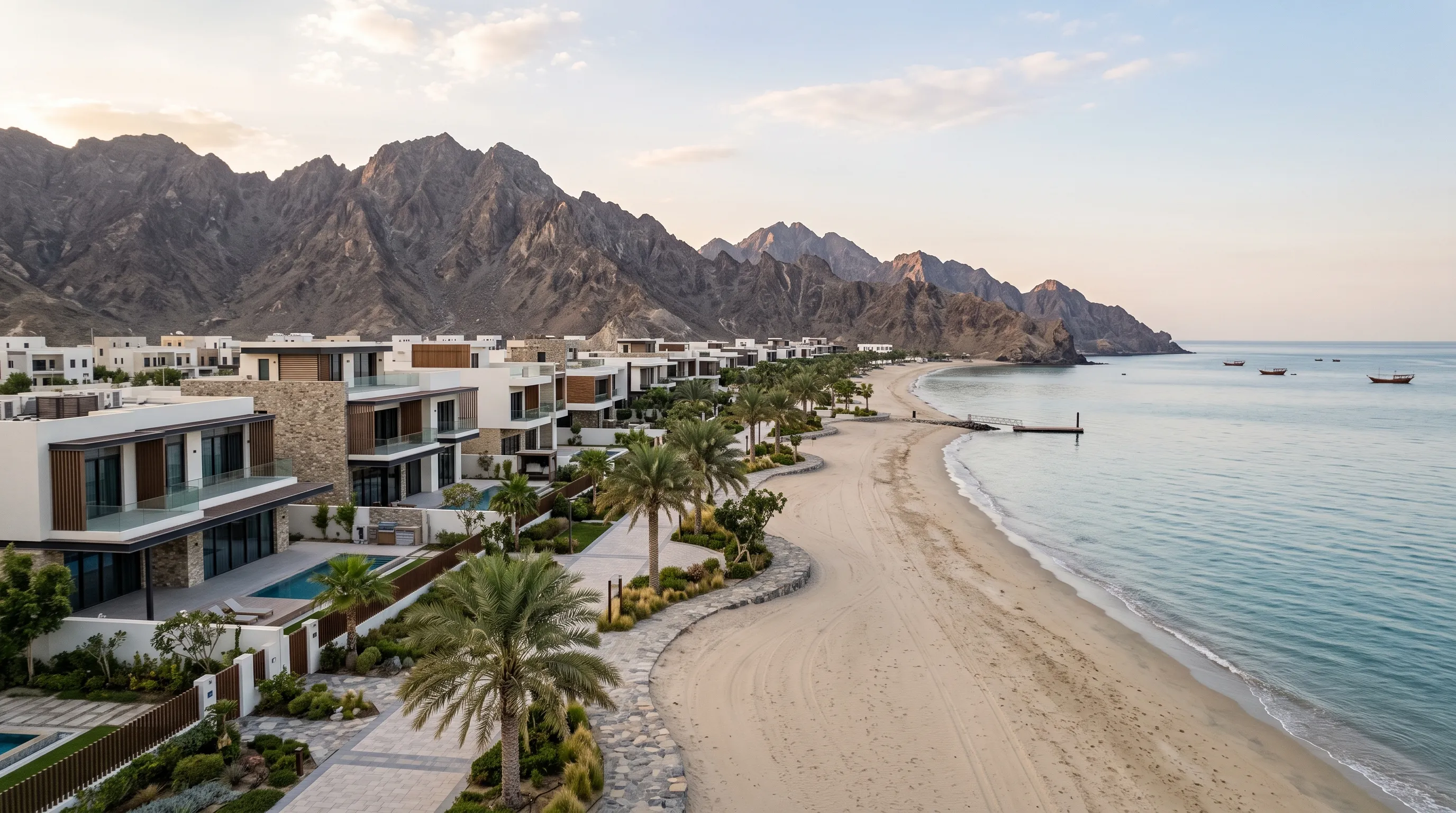
Fujairah Property: The Quiet Emirate Nobody Talks About
Fujairah property, honestly: the UAE's quiet east-coast emirate, its lifestyle appeal, the thin market and limited owne

How Interest Rate Cuts Affect Dubai Property: What Buyers Should Know
How interest rate cuts affect Dubai property: why UAE rates track the US, how cheaper mortgages move demand and prices,
Echoes, in your inbox
One thoughtful email a month. Market insight, new launches, no spam.