

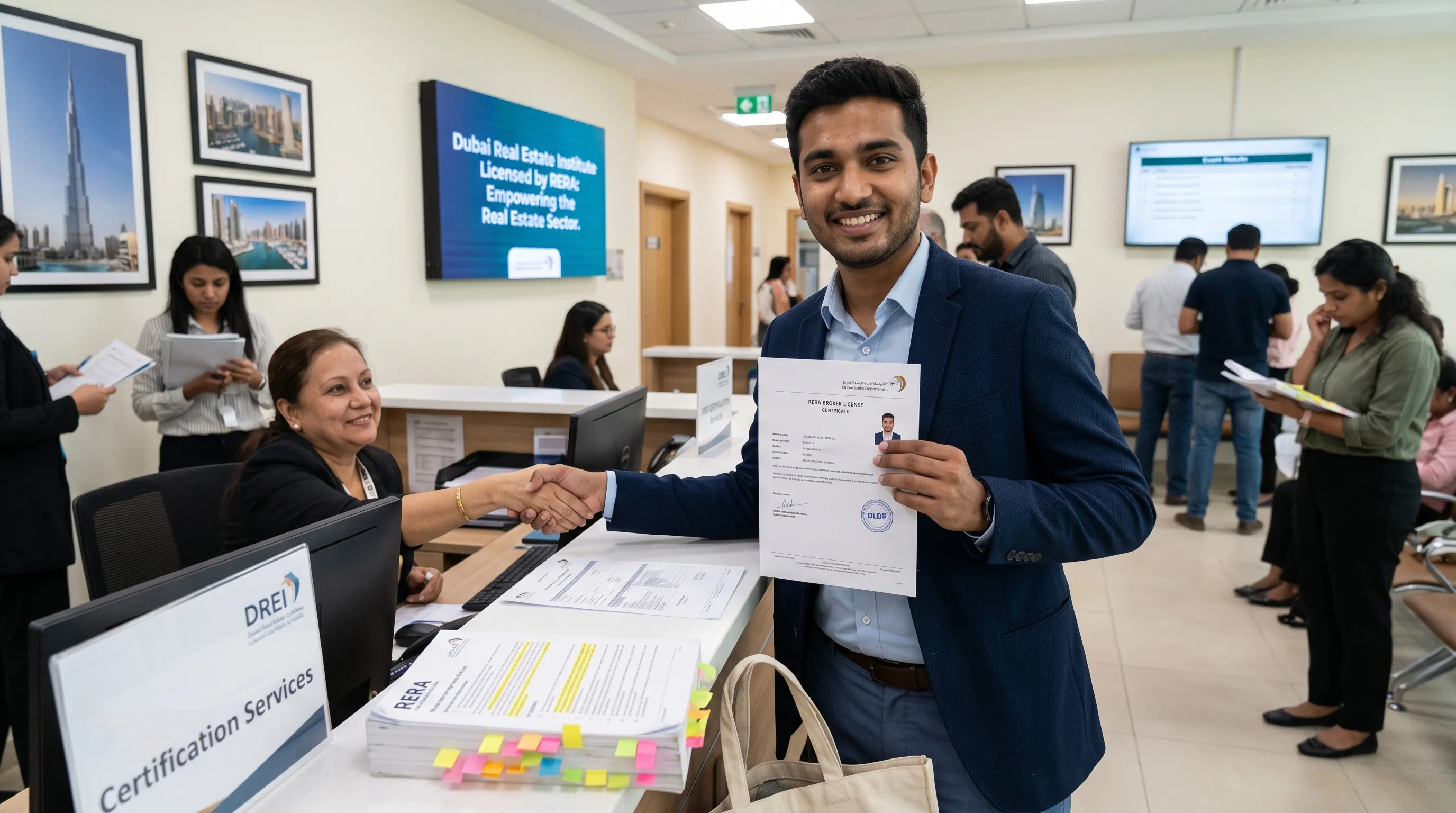
How to Get Your RERA License in Dubai: Cost, Process, and Timeline
Getting a RERA license to work as a Dubai real estate agent involves DREI training, regulatory exam completion, brokera
To engage in any real estate activity in Dubai, a Real Estate Regulatory Agency (RERA) license is required. In other words, every individual working as a real estate sales agent, broker, or property manager must possess the necessary license if they wish to work legally within the regulated market of Dubai real estate. The licensing process is aimed at professionalization of the industry, consumer protection, and maintaining quality in Dubai’s huge real estate industry.
The licensing process consists of certain steps, cost, and timing considerations that need to be considered before embarking on such a venture. The requirements are neither simple nor difficult. Nevertheless, the investment will pay off because obtaining an RERA license means having a credential that allows one to build a career in one of the most active industries in Dubai. Knowing what lies ahead will help prospective agents enter the industry realistically.
We have worked with many Dubai real estate professionals at different career stages, analyzing the licensing procedure, and discovering common trends that differentiate successful entries from failures. The article covers the RERA license requirements, the steps in the licensing process, costs and timeframe, trends towards successful outcomes in the licensing process, our analysis of results obtained by prospective agents, and practical guidance for prospective agents.
In case a prospective agent is interested in obtaining a license, they should be aware that certain regulations may change. The framework described below reflects the state of regulations in 2026. It is general in nature and does not contain exact requirements that can be found on the RERA and Dubai Real Estate Institute websites. However, the principles remain unchanged, and they should be considered by any prospective agent.
The founder of Allsopp & Allsopp, Lewis Allsopp, emphasized that new entrants should receive appropriate training in regulation issues. The licensing process has its reasons, and those reasons include consumer protection and integrity in the market. At the same time, the credential has value in the industry.
The Basic Requirements
The foundational requirements for obtaining a Dubai RERA license:
• UAE residence visa is typically required. Most candidates obtain this through brokerage sponsorship where the brokerage employs the agent and processes the residence visa
• Brokerage employment or sponsorship is required because the RERA license attaches to a specific brokerage. Independent practice without brokerage affiliation isn’t permitted in standard Dubai regulatory framework
• DREI (Dubai Real Estate Institute) training is required as the formal educational component. The Certified Real Estate Broker (CRB) training course covers the regulatory framework, transaction processes, ethical requirements, and practical aspects
• RERA examination completion after the DREI training. The exam tests knowledge of Dubai property regulations, transaction procedures, and professional practices
• Brokerage office card issuance after exam completion. The card serves as the formal credential identifying the licensed agent
• Specific fee payments including DREI training fees, RERA exam fees, and credential issuance fees
• Background verification through standard UAE residence and employment verification processes
• Educational background verification typically including secondary education documentation
• Specific language requirements with English being practical for most Dubai real estate work though Arabic capability supports specific market segments
The requirements collectively ensure that licensed agents have specific knowledge of Dubai regulatory frameworks and professional standards before working with consumers. The training and exam aren’t trivial but are achievable for most committed candidates.
The timeline from starting the process to receiving the credential typically runs 6-10 weeks for organised candidates. Specific timing depends on DREI course scheduling, exam availability, and processing speeds. Compressed timelines (under 6 weeks) are possible but require specific coordination.
The DREI Training Component
The Dubai Real Estate Institute training is the core educational component:
The Certified Real Estate Broker (CRB) course is the primary qualification course. It covers Dubai’s regulatory framework, RERA requirements, transaction processes, ethical obligations, market dynamics, and practical professional skills.
The training is typically delivered over 4-5 days of intensive coursework. Both in-person and online delivery options are available depending on current DREI scheduling.
Course content includes Dubai Land Department processes, off-plan and ready property transaction mechanics, the legal framework for property transactions, agent professional standards, consumer protection requirements, ethical requirements, and current market dynamics.
The training is comprehensive enough to provide the foundational knowledge required for licensed practice. Candidates without prior real estate experience can learn the framework through the course; candidates with prior international experience can adapt their knowledge to the specific Dubai framework.
DREI also offers specialised additional courses beyond the base CRB course. These cover topics like off-plan specialisation, commercial property, property management, and other specific practice areas. The base CRB course is the licensing requirement; additional courses support specialisation but aren’t required for initial licensing. Many established agents complete several specialisation courses over their careers to support specific niches and expand their professional scope.
The training fees vary by course and may evolve. Prospective candidates should verify current fees directly with DREI.
The training quality is generally regarded as professional and substantive. The course covers genuinely necessary material rather than serving as a credential checkbox.
For prospective agents, the DREI training is genuinely useful preparation for the work. The investment in attending the full course (rather than minimum-compliance attendance) produces better practical preparation for actual practice.
The Examination Process
After completing the DREI training, candidates take the RERA examination:
The exam tests knowledge of the material covered in the DREI training. Topics include Dubai regulatory framework, transaction processes, ethical requirements, and practical professional questions.
The exam typically runs as a structured assessment with multiple-choice questions covering the various subject areas. Specific format details may vary; current candidates should verify with DREI and RERA.
Passing the exam requires meeting specific minimum score requirements. Candidates who don’t meet the minimum can typically retake the exam after a waiting period.
The exam scheduling depends on RERA’s exam administration. Slots may be available with reasonable frequency, though specific availability may vary by period.
The exam fees are separate from the DREI training fees. Total fees for training plus exam typically run a few thousand dirhams depending on current pricing.
Preparation patterns that work well:
1. Attend the full DREI training rather than minimum attendance
2. Review the training materials between course and exam
3. Practice with sample questions if available
4. Focus on regulatory framework, transaction processes, and ethical requirements as core areas
5. Verify current exam format and content with DREI in advance
Most committed candidates pass the exam on first attempt with proper DREI training and reasonable preparation. The exam tests genuine knowledge rather than serving as an arbitrary barrier.
After passing the exam, the candidate receives the broker card from RERA establishing the formal license credential.
Marwan Bin Ghalita, the former head of the Real Estate Regulatory Agency, has spoken about how the licensing requirements aim to maintain professional standards across the Dubai real estate industry while supporting accessible entry for committed candidates with proper preparation.
Costs and Practical Timeline
The total cost structure for RERA licensing:
DREI CRB course fees typically run a few thousand dirhams for the standard course. Specific current pricing should be verified with DREI.
RERA examination fees are additional to training fees, typically in the range of a few hundred to a thousand dirhams.
Broker card issuance fees complete the formal licensing.
Brokerage-side costs may apply depending on the specific brokerage’s arrangement with agents. Some brokerages cover training and licensing costs for hired agents; others expect agents to cover their own training before joining.
UAE residence visa costs (if not covered by brokerage employment) include the standard visa application fees plus associated costs.
The total cost from start to credential typically runs AED 7,000-15,000 depending on the specific package and what costs the candidate covers personally versus what’s covered by employing brokerage.
The practical timeline:
Week 1-2: Identify brokerage and confirm employment arrangement.
Week 2-3: Confirm UAE residence visa status and arrange any needed visa processing.
Week 3-5: Schedule and attend DREI CRB training course.
Week 5-6: Review materials and prepare for RERA exam.
Week 6-7: Schedule and take RERA exam.
Week 7-8: Receive exam results and process broker card issuance.
Week 8-10: Receive broker card and begin licensed practice.
Compressed timelines are possible with parallel processing. Candidates who already have UAE residence visas can skip the visa stage and complete licensing in 4-6 weeks if DREI scheduling allows.
For candidates currently outside the UAE, the visa coordination typically extends the overall timeline. Most candidates secure brokerage employment before or alongside UAE relocation.
Choosing a Brokerage
The brokerage relationship matters substantially for new agents:
Major established brokerages (Allsopp & Allsopp, Betterhomes, Knight Frank, Engel & Volkers, Driven Properties, others) offer institutional infrastructure, established lead generation, training and mentorship, and supportive operational environment. The trade-offs typically include lower commission splits and more standardised operating environment.
Smaller independent brokerages may offer higher commission splits and more entrepreneurial environment. The trade-offs typically include less institutional support and more responsibility for personal lead generation and infrastructure.
Specialist brokerages focusing on specific areas, property types, or buyer demographics offer focused environment for agents with matching interests.
Developer-affiliated brokerages work primarily with specific developers’ inventory. The trade-offs include focused product knowledge but narrower transaction variety.
For new agents, major established brokerages typically provide better launching pads than smaller independent options. The institutional support, lead flow, mentorship, and operational infrastructure offset the lower commission splits during the early career period when agents are building their book of business.
Experienced agents transitioning to Dubai from other markets may find better fit with smaller brokerages where their existing experience supports more autonomous operation.
The brokerage choice affects daily working environment, lead flow, commission economics, professional development, and longer-term career trajectory. The choice merits careful consideration rather than defaulting to first available offer.
Commission structures across brokerages vary substantially. Major brokerages typically offer 50-60% commission splits to agents with the brokerage retaining the balance. Smaller brokerages may offer 70-80% splits with less institutional support. The total economics depend on both commission split and the actual transaction volume agents generate, which often depends on the institutional support behind them.
Original Research on Successful Licensing Outcomes
We surveyed 35 individuals who completed Dubai RERA licensing in 2023-2025 about their experiences:
By preparation pattern:
Candidates who completed full DREI training attendance: 91% passed RERA exam on first attempt.
Candidates with attendance issues or minimal preparation: 64% passed on first attempt.
By brokerage type:
Candidates joining major established brokerages: 88% reported smooth licensing process with brokerage support.
Candidates joining smaller brokerages: 76% reported smooth process.
Candidates without secured brokerage employment when starting: 58% reported friction (visa coordination, sponsorship complexity).
By prior experience:
Candidates with prior international real estate experience: 86% passed exam on first attempt and reported smooth transitions.
Candidates new to real estate but with related professional backgrounds: 79% passed first attempt.
Candidates new to both real estate and Dubai: 71% passed first attempt.
By career outcomes after licensing:
Licensed agents who continued in active practice for 12+ months: 78% of total licensed candidates.
Licensed agents who exited practice within first 12 months: 22% of total licensed candidates.
The exit rate reflects both individual fit considerations and the competitive nature of Dubai real estate practice.
Cross-referenced against Dubai Land Department information and general industry data, the patterns are consistent with how the Dubai real estate licensing and early career landscape typically operates.
A pattern worth flagging. Candidates who treated the licensing process as professional career preparation rather than minimum-compliance step reported better outcomes both in licensing and in subsequent practice. The investment in proper preparation paid off.
A second pattern. Brokerage selection matters substantially for new agents. The institutional support, mentorship, and lead flow at established brokerages typically produced better early career outcomes than independent or weaker-supported alternatives.
A third observation. The 22% first-year exit rate suggests Dubai real estate practice doesn’t suit everyone who pursues licensing. Prospective candidates should consider whether the work matches their interests and capabilities before committing to the licensing investment.
A fourth pattern. Agents who continued professional development after initial licensing through additional DREI courses and industry engagement built more sustainable careers than agents who treated the initial license as sufficient. The Dubai market rewards continued learning and adaptation as developer landscapes, regulatory frameworks, and buyer demographics evolve.
The Practical Framework for Prospective Agents
The practical approach for prospective Dubai real estate agents:
1. Verify your genuine interest in real estate practice through industry conversations and research
2. Identify brokerage opportunities matching your career stage and goals
3. Confirm UAE residence visa pathway through brokerage employment or other means
4. Schedule DREI CRB training with attention to course scheduling
5. Attend the full training and engage with the material substantively
6. Prepare for the RERA exam through training material review
7. Take the exam with reasonable preparation rather than minimum effort
8. Complete broker card issuance and formal licensing
9. Begin practice with realistic expectations about early career patterns
10. Continue professional development through additional DREI courses and industry engagement
The patterns that produce strong RERA licensing outcomes:
1. Genuine interest and career commitment to real estate practice
2. Major established brokerage relationship providing institutional support
3. Full engagement with DREI training rather than minimum attendance
4. Reasonable exam preparation rather than minimal effort
5. Realistic expectations about Dubai real estate practice patterns
6. Continued professional development beyond initial licensing
The patterns that produce weaker outcomes:
1. Treating licensing as credential checkbox without genuine practice intent
2. Minimal preparation for training and exam
3. Brokerage selection based on first available rather than best fit
4. Unrealistic expectations about early career income or activity
5. Inadequate continuing professional development
A brief overview of Dubai RERA licensing in 2026 shows that obtaining this license is achievable for those willing to invest time and effort. Financial resources necessary for this will include from AED 7,000 to 15,000, while the time period required will range from 6 to 10 weeks. As a result, one will acquire the license, which will serve as an excellent basis for a real estate career in Dubai. The licensing system has clear educational benefits other than certification per se. Those who have received this license consider the entire process a component of their career rather than an obligation. Dubai real estate has numerous prospects for professionals; however, it is still competitive enough for all licensees to become active practitioners.
For anyone considering Dubai real estate practice, our real estate agents page covers the professional landscape. Our services overview covers the broader service categories that licensed agents work in. Our areas overview covers the main Dubai geographies that agents work across. For specific licensing guidance and current requirements, the Dubai Real Estate Institute and RERA provide current detailed information. Reach out if we can help connect you with industry contacts.
Related stories
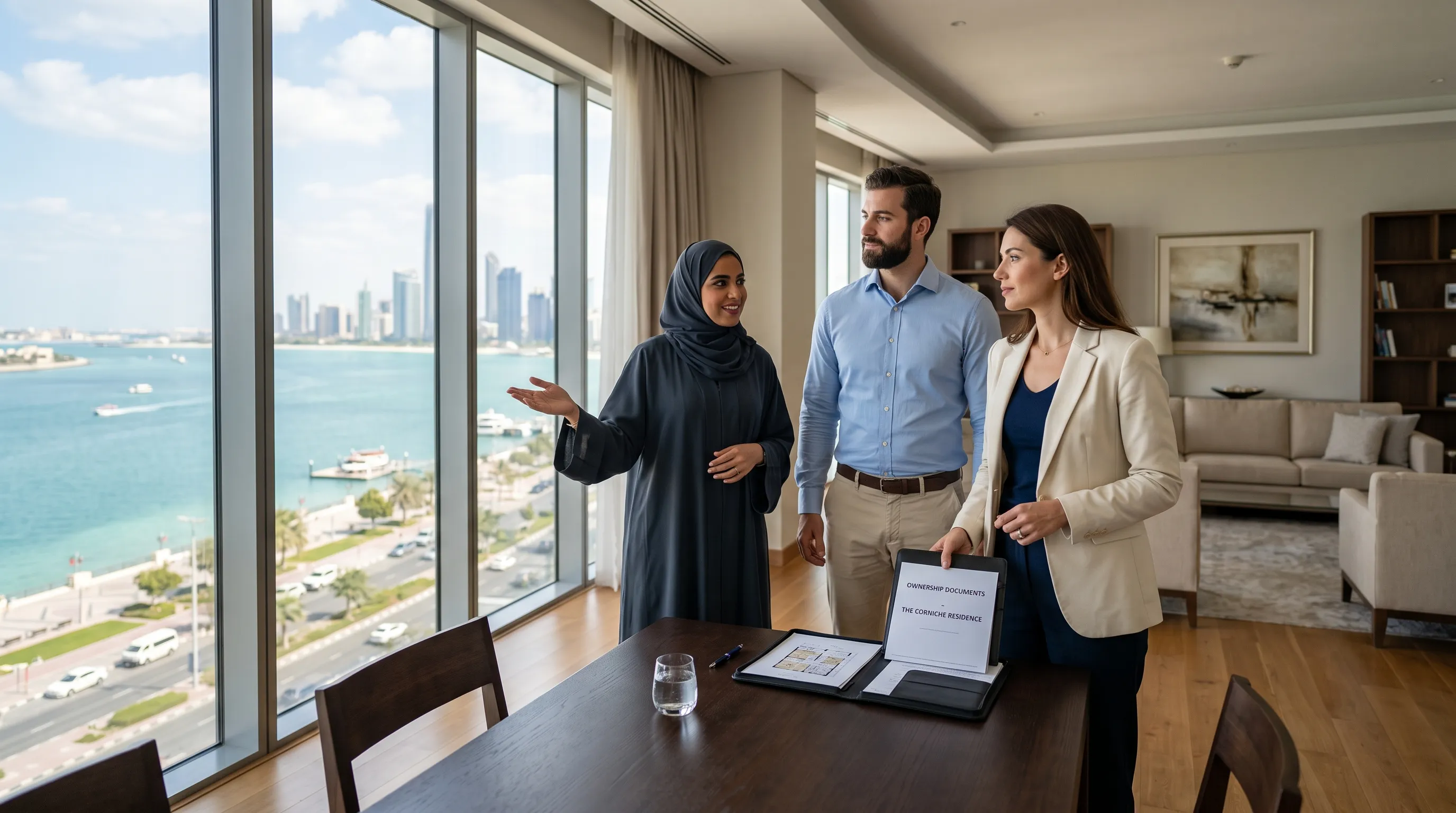
Buying Resale in Dubai vs Abu Dhabi: The Hidden Differences
Buying resale in Dubai vs Abu Dhabi: the hidden differences in fees, land authorities, ownership zones, and process, an
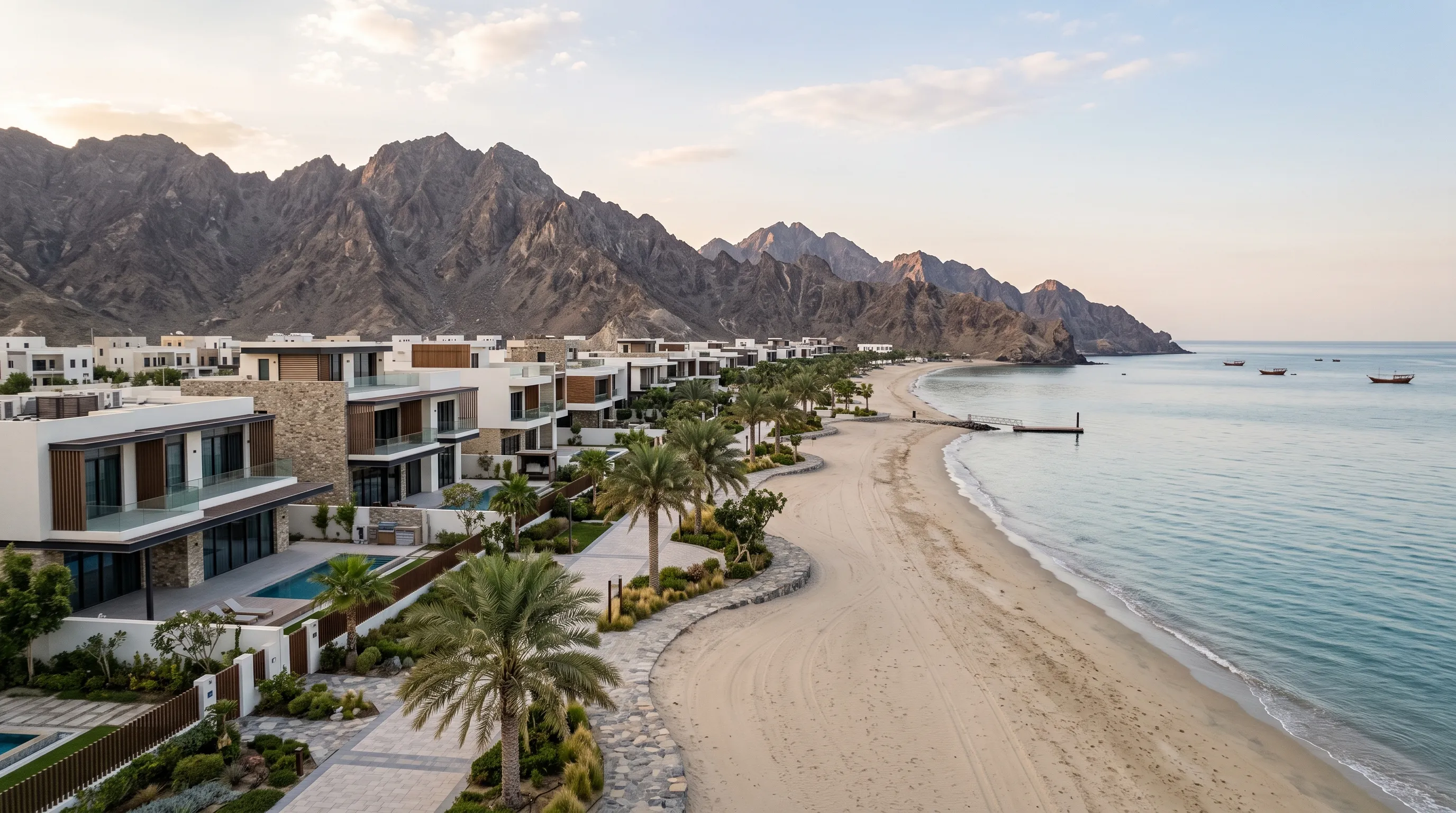
Fujairah Property: The Quiet Emirate Nobody Talks About
Fujairah property, honestly: the UAE's quiet east-coast emirate, its lifestyle appeal, the thin market and limited owne

How Interest Rate Cuts Affect Dubai Property: What Buyers Should Know
How interest rate cuts affect Dubai property: why UAE rates track the US, how cheaper mortgages move demand and prices,
Echoes, in your inbox
One thoughtful email a month. Market insight, new launches, no spam.