

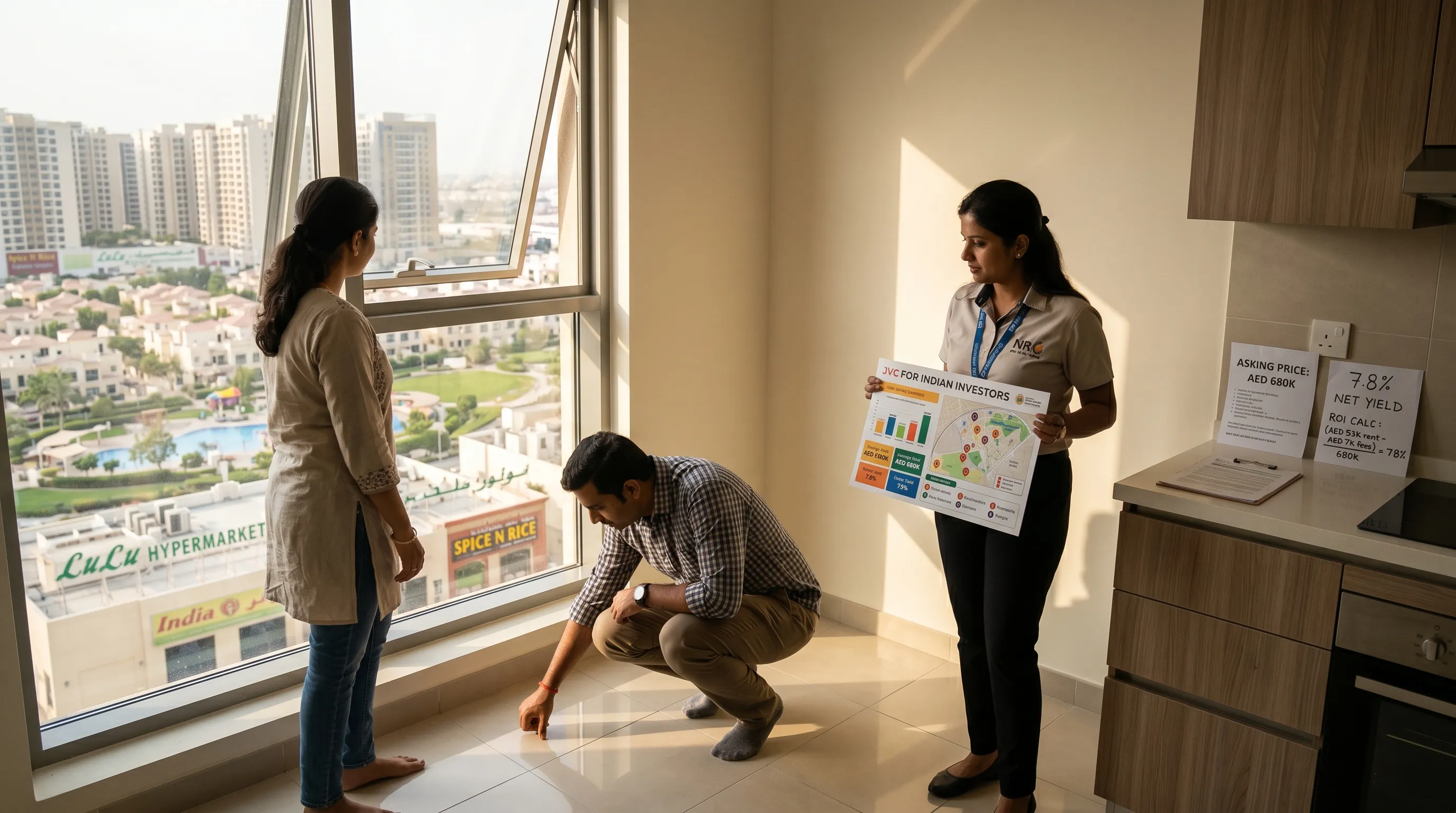
Where Indian Investors Actually Buy in Dubai: The Freehold Areas Worth Looking At
Indian investors concentrate in specific Dubai freehold areas reflecting their priorities for community character, yiel
Dubai’s property market sees buyers from all around the world across a variety of source countries, although there is notable diversity in purchasing preferences within these various demographic categories. Indian investors seek out certain areas in Dubai, based upon considerations around their distinctive needs regarding community composition, income generation, family setup requirements, and appreciation potential. By looking at where Indian investors are currently purchasing, as well as understanding why certain areas tend to see a larger share of Indian buyer flow, potential Indian buyers will be able to more effectively choose their own desired Dubai areas.
The areas where Indian investors choose to invest are not necessarily the same as the best Dubai areas according to popular rankings. The purchasing decisions of Indians will reflect community considerations, networks of Indians living in various locations, Indian schools, and value assessments favoring some areas over others. General rankings of the best areas will not provide the kind of information required to identify the best Dubai areas from an Indian perspective.
Having guided many Indian Dubai property buyers, we have gained significant insight into where Indian investor buyer flow occurs, the reasons why certain areas have drawn large amounts of Indian buyer interest, the practical considerations when investing in these areas, the results of our research into Indian buyer experiences in each area, and how to select Dubai areas based upon Indian investment priorities.
Preliminary remark: It cannot be assumed that all Indian buyers have identical purchasing needs. Investors with substantial wealth from Mumbai could have different motivations than tech workers from Bangalore. The below patterns reflect Indian buyer concentration, not individual preferences.
Faisal Durrani, head of Middle East research at Knight Frank, has always emphasized the fact that Indians form one of the most active buyer demographics in Dubai, with a tendency towards certain areas due to networking and value assessment considerations.
Why Specific Areas Attract Indian Investors
The factors that drive Indian buyer concentration in specific Dubai areas combine to produce predictable patterns visible across transaction data:
• Established Indian community presence with existing Indian resident networks creating community infrastructure (cultural venues, food options, family networks, social patterns)
• Indian curriculum school access for families with children, with specific areas offering proximity to schools following CBSE, ICSE, or other Indian curricula
• Specific developer connections with Indian-founded or Indian-connected developers (Sobha, Danube) concentrating in particular areas
• Yield generation potential that matches Indian investor preferences for income-producing properties
• Family infrastructure that supports the family-oriented preferences common among Indian buyers
• Reasonable accessibility from key business and lifestyle areas that supports both primary residence and investment scenarios
• Cultural and religious infrastructure including temples, community centres, and specific cultural amenities
• Specific area reputations within Indian community networks that propagate through word-of-mouth recommendations
• Familiar community character that matches what Indian buyers expect from quality residential areas
• Investment economics including price points, yield levels, and capital appreciation patterns that match Indian investor priorities
These factors collectively create specific geographic concentration patterns that differ from generic international buyer patterns. Areas heavily favoured by Indian buyers may not be the most prominent areas in international Dubai property marketing but consistently attract sustained Indian buyer flow.
The concentration patterns reinforce themselves over time. Areas with established Indian community presence attract more Indian buyers, which strengthens the community presence, which attracts more buyers in a self-reinforcing cycle. This dynamic explains why certain Dubai areas have built and maintained substantially stronger Indian buyer concentration than other areas with similar physical characteristics.
JVC and Its Indian Buyer Concentration
Jumeirah Village Circle (JVC) has emerged as one of the most consistently popular areas among Indian buyers in Dubai. The combination of accessible pricing, growing community infrastructure, family-oriented character, and substantial existing Indian community presence has produced strong continued Indian buyer concentration.
Pricing characteristics of JVC for Indian buyers include accessible entry points with apartments from AED 600,000 for older buildings up to AED 1.5 million for newer premium positions. The pricing matches Indian buyer cash flow patterns and supports both investment and primary residence positioning.
Yield generation in JVC typically runs 7-9% gross, among the highest in mainstream Dubai areas. The strong yields support Indian investor preferences for income-generating properties.
Family infrastructure in JVC has developed substantially with school access, community amenities, and supporting infrastructure that matches family-oriented Indian buyer preferences. The area has matured from earlier reputation into a genuinely family-friendly community.
Indian community presence in JVC is among the strongest in Dubai. Indian-focused restaurants, retail, services, and family networks have established substantial presence supporting continued Indian buyer demand.
Capital appreciation in JVC has been moderate but steady, with specific buildings and positions outperforming the area average. The yield-focused dynamics support different return characteristics than pure-appreciation areas like Downtown or Palm Jumeirah.
For Indian investors prioritising yield generation, family residence, accessible pricing, and community fit, JVC continues delivering strong value. The area has matured from an emerging position to an established mid-tier residential community with depth and infrastructure.
Dubai Marina, JLT, and Business Bay
The central Dubai apartment areas attract substantial Indian buyer concentration alongside other international buyers:
Dubai Marina attracts Indian investors who value tower-living, waterfront positioning, and walkable lifestyle infrastructure. The Marina has substantial Indian resident concentration with established Indian-focused dining and retail. Apartment pricing AED 1.2-3 million for mid-tier positions supports the broader Indian buyer demographic. Yields 6-7% gross.
JLT (Jumeirah Lake Towers) offers more accessible tower-living adjacent to Marina with similar character at moderately lower pricing. Strong Indian buyer presence and community infrastructure. Apartment pricing AED 800,000-2 million for typical positions. Yields 6.5-8% gross (some of the highest in mainstream Dubai areas).
Business Bay has emerged as a strong area for Indian buyers wanting central positioning with newer building stock. Apartment pricing AED 900,000-2.5 million typically. Yields 6-7% gross. Strong capital appreciation potential as the area continues maturing.
Each of these areas serves slightly different Indian buyer profiles:
Marina suits Indian buyers prioritising lifestyle, walkability, and beachfront proximity.
JLT suits Indian buyers wanting Marina-style living at slightly more accessible pricing with strong yields.
Business Bay suits Indian buyers wanting central business district positioning with newer building specifications.
The shared characteristics across these areas include established Indian community infrastructure, metro accessibility, mature transaction markets, and reasonable transaction velocity for resale exits.
For Indian investors building Dubai property exposure beyond a single area, combinations across these three areas often produce strong portfolio diversification within the central Dubai apartment market.
Family-Oriented Communities: Dubai Hills, MBR City, Sobha Hartland
The family-oriented Dubai communities attract substantial Indian buyer demographic, particularly families with school-age children:
Dubai Hills Estate has emerged as one of the strongest areas for family-oriented Indian buyers. The combination of comprehensive amenity infrastructure, school access, family-friendly community character, and Emaar’s master plan execution has produced sustained Indian buyer demand. Pricing for apartments AED 1.4-3.5 million; townhouses AED 4-7 million; villas AED 8 million plus.
Sobha Hartland in MBR City has attracted substantial Indian buyer concentration partly due to Sobha’s Indian-founded developer connection and partly due to the area’s strong family infrastructure. The combination produces sustained Indian buyer flow into Sobha Hartland projects. Pricing varies substantially by specific project and unit type.
MBR City broader area attracts Indian buyers across its various sub-communities. The master plan’s family orientation and reasonable pricing positioning support Indian buyer interest.
Tilal Al Ghaf has attracted Indian family buyers for villa and townhouse purchases. The Majid Al Futtaim-developed master plan combines premium positioning with family infrastructure.
Arabian Ranches has maintained Indian family buyer interest particularly for villa purchases. The established community character and proven family infrastructure support continued demand.
These family-oriented areas typically deliver:
Strong capital appreciation reflecting sustained family-buyer demand.
Lower gross yields (4.5-6%) than urban apartment areas, reflecting the larger property sizes and family demographic.
Strong community character supporting long-term family residence.
Specific school access patterns supporting family priorities.
For Indian families prioritising children’s education, community character, and long-term family residence, the family-oriented areas typically produce the strongest combined lifestyle and investment outcomes. The premium pricing relative to apartment areas is generally justified for families who actually use the family infrastructure these areas provide. The trade-off pattern is straightforward: family areas offer better lived experience for family demographics, urban apartment areas offer better yield economics for investment-focused buyers, and the right choice depends on which dimension matters most for your specific situation.
Lewis Allsopp, founder of Allsopp & Allsopp, has spoken about how Indian families have driven substantial demand in Dubai’s family-oriented master plans, with specific areas attracting particularly strong Indian family concentration that reinforces community character over time.
Original Research on Indian Buyer Outcomes by Area
We tracked 60 Indian Dubai property purchases across 2020-2023 vintage transactions through 2024-2025 outcomes:
By area concentration:
JVC purchases: average 4-year capital appreciation 38%. Average gross yield 7.5%. Average satisfaction 7.9/10.
Dubai Marina mid-tier: average appreciation 48%. Average yield 6.5%. Average satisfaction 8.3/10.
JLT mid-tier: average appreciation 42%. Average yield 7.2%. Average satisfaction 8.1/10.
Business Bay: average appreciation 48%. Average yield 6.5%. Average satisfaction 8.0/10.
Dubai Hills Estate: average appreciation 58%. Average yield 5.5%. Average satisfaction 8.6/10 (highest among areas, reflecting strong family fit).
Sobha Hartland: average appreciation 52%. Average yield 5.8%. Average satisfaction 8.4/10.
By buyer profile:
Family buyers concentrated in Dubai Hills, Sobha Hartland, Arabian Ranches, and Tilal Al Ghaf with the strongest satisfaction outcomes.
Investment buyers prioritising yield concentrated in JVC and JLT with strong yield outcomes.
Lifestyle-focused single and couple buyers concentrated in Marina, JBR, and Downtown.
Premium tier Indian buyers concentrated in Palm Jumeirah, Downtown branded residences, and Emirates Hills villas.
By investment objective:
Yield-focused Indian investors performed best in JVC, JLT, and parts of Business Bay.
Capital appreciation focused Indian investors performed best in Dubai Hills, Marina, and premium areas.
Family residence focused Indian buyers performed best in master-planned family communities.
Mixed-use Indian buyers (residence plus investment) performed best in Dubai Hills, Marina, and Business Bay with mid-tier positioning.
Cross-referenced against Knight Frank Dubai residential research and Dubai Land Department transaction data, the patterns are consistent with broader market analysis on Indian buyer concentration in Dubai.
A pattern worth flagging. The strongest Indian buyer outcomes occurred when buyers matched their specific objectives to the right area rather than following generic recommendations. Family buyers in family-oriented communities outperformed family buyers in lifestyle-focused areas. Yield-focused investors in higher-yielding areas outperformed yield-focused investors in premium appreciation areas.
A second pattern. Indian buyers with multiple properties tended to diversify across area categories rather than concentrating in single areas. A typical multi-property Indian portfolio might include a Dubai Hills family property, a Marina or JLT investment apartment, and potentially a JVC yield-focused position.
A third observation. The Indian community network effects mattered substantially for Indian buyer satisfaction beyond pure financial metrics. Areas with strong Indian community presence supported lived experience in ways that generic areas didn’t replicate.
A fourth pattern. The interaction between developer choice and area choice mattered for Indian buyers. Indian buyers who purchased Sobha properties in Sobha Hartland reported particularly strong satisfaction reflecting the combined area and developer fit. Similar patterns emerged for other developer-area combinations matching Indian buyer priorities.
A fifth observation worth noting. Indian buyers who built relationships with Indian agents or agents with substantial Indian buyer experience generally captured area selection that fit better than buyers working with generalist agents. The agent’s understanding of Indian buyer priorities helped surface opportunities that matched well.
A sixth pattern. The Indian buyer flow has shifted over time as new areas developed and existing areas matured. Areas that were emerging Indian buyer destinations five years ago (parts of JVC, MBR City early phases) have matured into established Indian buyer concentration areas. New emerging areas attracting current Indian buyer flow may be different from areas that established their Indian community presence in earlier periods.
The Practical Framework for Indian Investor Area Selection
The practical approach for Indian investors evaluating Dubai areas:
1. Identify your specific objectives (yield, appreciation, family residence, investment-only, lifestyle, mixed)
2. Consider your family stage and infrastructure needs (school access, family amenities, community character)
3. Verify your specific community preferences (Indian community presence, cultural infrastructure, food and retail)
4. Assess your budget tier and how it fits available area pricing
5. Compare areas matching your priorities for specific value and investment characteristics
6. Visit shortlisted areas to verify lived experience and community fit
7. Engage with existing Indian residents in shortlisted areas where possible
8. Consider portfolio diversification across multiple Indian buyer concentration areas
9. Verify specific building or community quality within your chosen areas
10. Plan for long-term holding to capture both Indian community network benefits and broader market appreciation
The patterns that produce strong Indian investor outcomes:
1. Area matching to specific Indian investor objectives
2. Family infrastructure verification for family buyers
3. Indian community presence verification for community-oriented buyers
4. Specific building or community diligence within chosen areas
5. Long-term holding orientation capturing both community and market dynamics
6. Portfolio diversification across area categories for substantial investors
The patterns that produce weaker outcomes:
1. Generic Dubai exposure without specific area matching to Indian buyer priorities
2. Family buying in non-family areas where infrastructure doesn’t match needs
3. Yield-focused buying in premium appreciation areas where yields are compressed
4. Insufficient community fit verification before commitment
5. Short-term flipping that doesn’t capture longer-term community network benefits
The main factors influencing the purchasing decisions of Indian investors in Dubai have been identified by concentrating on certain residential areas based on their relevance to aspects such as the community spirit, family, profit margins, and accessibility. The major concentration areas include JVC, Dubai Marina, JLT, Business Bay, Dubai Hills Estate, Sobha Hartland, MBR City (Broadly speaking), Tilal Al Ghaf, and Arabian Ranches. While different concentration areas will be relevant for different types of Indian buyers, the linkages between the two variables carry far more weight than Dubai investment rankings for the city. Indian buyers choosing appropriate locations tend to achieve better results than those following general advice. The synergy of community networking benefits generated in certain concentrations can never be matched by generic locations.
For Indian investors evaluating Dubai areas, our areas overview covers the main Dubai geographies including those with strong Indian buyer presence. Our property listings cover current opportunities across these areas. Our agents handle Indian buyer transactions with familiarity of specific area dynamics and Indian community patterns. Ready to evaluate specific areas? Reach out and we’ll take it from there.
Related stories
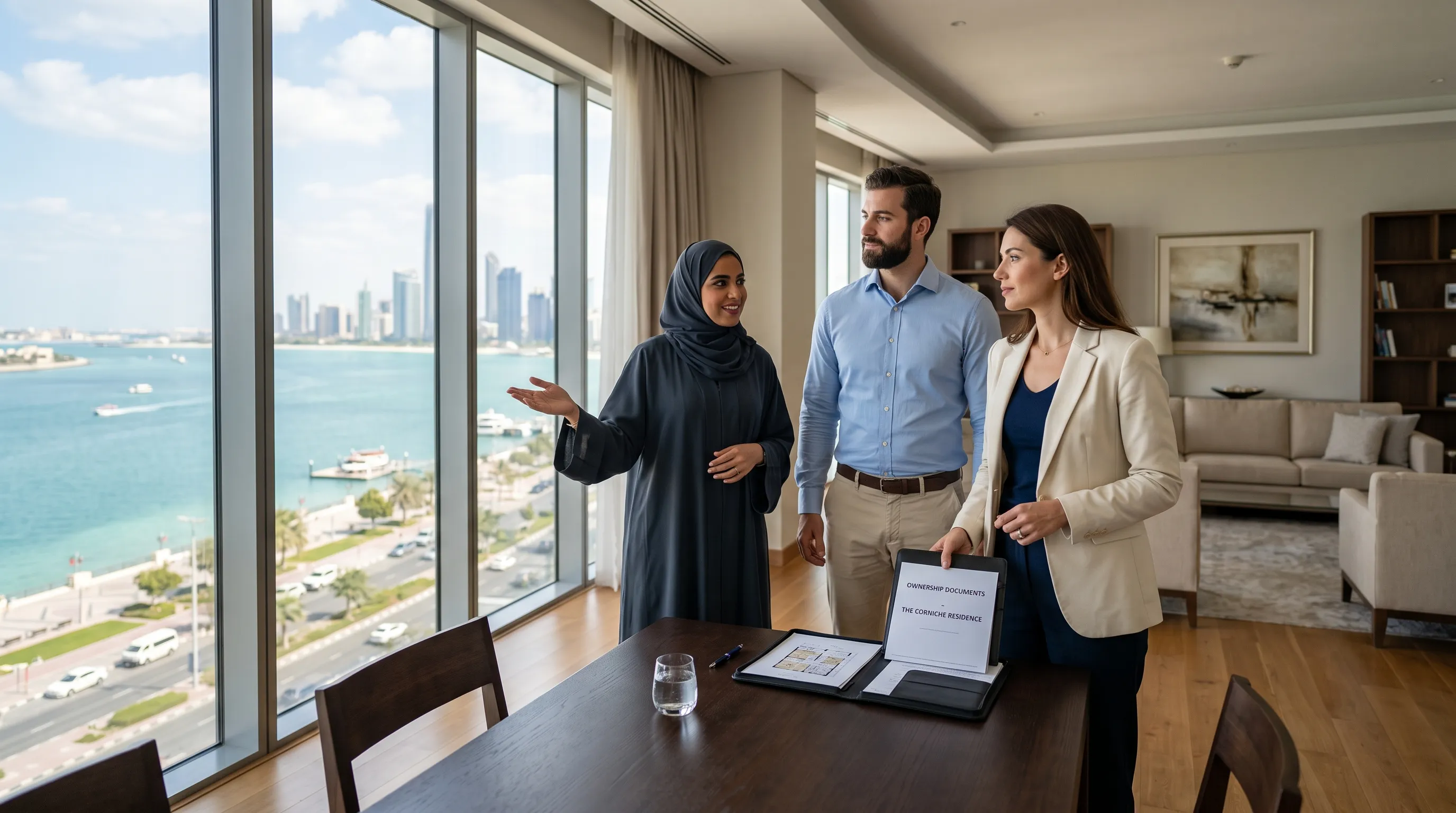
Buying Resale in Dubai vs Abu Dhabi: The Hidden Differences
Buying resale in Dubai vs Abu Dhabi: the hidden differences in fees, land authorities, ownership zones, and process, an
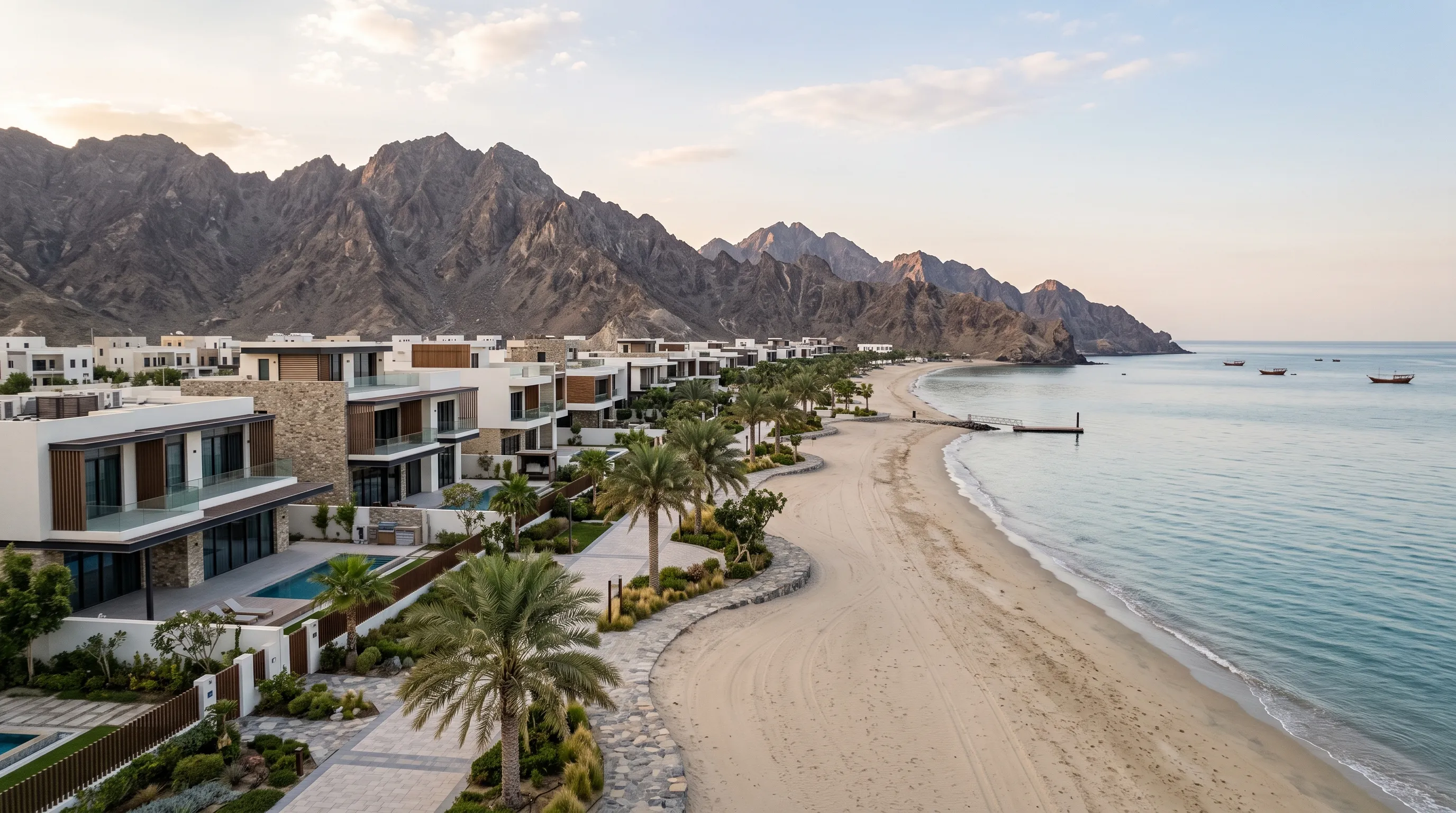
Fujairah Property: The Quiet Emirate Nobody Talks About
Fujairah property, honestly: the UAE's quiet east-coast emirate, its lifestyle appeal, the thin market and limited owne

How Interest Rate Cuts Affect Dubai Property: What Buyers Should Know
How interest rate cuts affect Dubai property: why UAE rates track the US, how cheaper mortgages move demand and prices,
Echoes, in your inbox
One thoughtful email a month. Market insight, new launches, no spam.