

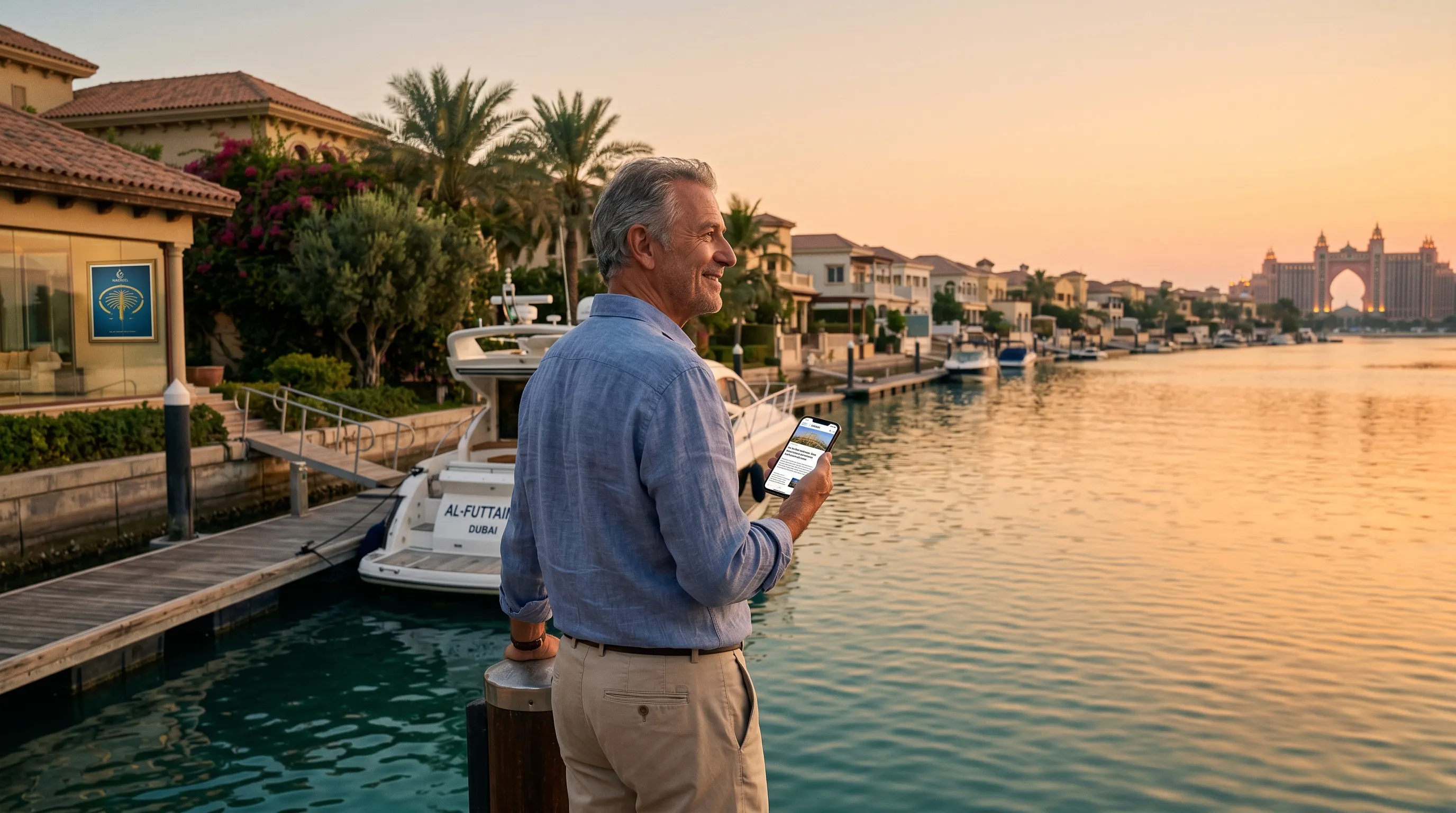
Nakheel Developer Profile: From Palm Jumeirah to What’s Next
Nakheel built Palm Jumeirah and most of Dubai’s mid-market stock. Here’s the full developer profile and what’s next.
A property developer based out of Dubai has managed to make a name for itself in the world, even though there are very few people who know about the man behind the name. The shape of the Palm Jumeirah has been seen in Dubai postcards, Instagram pictures of tourists, and the promotional videos that Dubai makes highlighting the city. It is synonymous with Nakheel.
One might not know this but Nakheel has also contributed to a lot of Dubai beyond Palm Jumeirah, namely Discovery Gardens, International City, Jumeirah Village Circle, Jumeirah Village Triangle, Jumeirah Park, Jumeirah Islands, The World Islands, and Deira Islands (renamed Dubai Islands now). Quite a significant amount of apartments and villas for the mid-range in Dubai have come up through Nakheel, or Nakheel masterplans.
However, one would be hard pressed to find a case study as interesting in the real estate history of Dubai than Nakheel's. Nakheel made a mark in Dubai when it was having the peak of its pre-2008 period and nearly collapsed in 2009. Through the past 15 years or so, Nakheel has done restructuring, reinvented itself and done patient development. In consequence, the Nakheel of today is much different from its 2008 self, and it is significant information to keep in mind if you plan to buy from Nakheel currently.
In this article, we offer a Nakheel profile. Who they are? What have they built? Why did things go wrong in 2009 and how did they recover from it? What are they building currently? Is buying from Nakheel in 2026 a wise choice?
Nakheel has been a part of our lives from quite some time now, since we have sold them in different market cycles, helped buyers when entering at wrong times in 2008, and helped buyers enter at right times in 2020. We have witnessed Palm Jumeirah communities move from a construction site to a fully functional luxurious community, and also see Discovery Gardens transform from just being potential speculations into communities dominated by families.
Below is an analysis of the developer: the good, the bad, and the considerations you should think through before buying from Nakheel in 2026.
Who Nakheel Is in Dubai’s Property Landscape
Nakheel is a Dubai government-owned developer, ultimately under the umbrella of Dubai World, one of the major Dubai government holding entities. The company was founded in 2003 and rose to prominence during the mid-2000s boom under chairman Sultan Bin Sulayem.
The current chairman is Mohammed Al Shaibani, who also chairs the Dubai government’s Investment Corporation. The structure means Nakheel is effectively an arm of Dubai’s broader urban planning and real estate strategy. The company doesn’t just build for profit. It builds where the government wants development to happen, sometimes on a longer time horizon than a typical private developer would accept.
This matters for buyers because it changes the risk profile. A Nakheel project is unlikely to be abandoned mid-construction in the way a private mid-tier developer’s project might be. The government backing provides delivery certainty even when the broader market goes through difficult periods. We saw this play out in the 2009 to 2014 period when many private developers exited the market while Nakheel slowly worked through its backlog.
The trade-off is that Nakheel projects can move slowly. Their development cycles are longer than the most aggressive private builders. New launches don’t always come at the pace investors might prefer. The company optimizes for delivery certainty over speed-to-market.
Nakheel’s footprint in Dubai is enormous. They’ve delivered over 70,000 residential units. They’ve master-planned multiple major communities. They own significant land banks across Dubai including most of the future development potential in Palm Jebel Ali and Dubai Islands. The pipeline ahead of them dwarfs what any private developer has access to.
The Iconic Nakheel Developer Projects
The signature projects are what made Nakheel internationally famous.
Palm Jumeirah is the obvious one. The world’s largest man-made island in palm tree shape, completed across the 2000s. The community now hosts hotels (Atlantis, Waldorf Astoria, Anantara, FIVE, Royal Atlantis), apartment buildings (the Shoreline buildings, Tiara, Marina Residences), and luxury villas along the fronds. Daily life on the Palm is closer to a resort community than a typical city neighborhood. The infrastructure is mature. The monorail works. The retail is established. Properties on the Palm continue to command significant premiums to comparable Dubai stock.
What’s interesting about Palm Jumeirah in 2026 is how the community has matured into something different than what was originally envisioned. The early years (2008 to 2012) were dominated by short-term thinking - flips, hotel rentals, second-home buyers who barely visited. The community feel was patchy. Many buildings had high vacancy. Walking the boardwalk on a weekend often felt like walking through a half-finished resort.
That’s changed. The Palm now has a real resident community. Schools nearby. A more developed grocery and convenience retail base. Restaurant culture that’s no longer just hotel dining. Real second-generation families who grew up on the Palm and now buy adjacent units for their parents or siblings. The community has the texture of a settled neighborhood that took 15 years to develop.
Palm Jebel Ali is the more recent story. The community was originally launched in 2002, partially built, and then mothballed during the 2009 crisis. Nakheel relaunched the project in 2023 with a revised master plan, new infrastructure, and renewed political support. The Palm Jebel Ali relaunch has been one of the most-watched real estate events in the region. Early-phase villas sold out within hours. Apartment phases have similarly strong demand. The community is being designed to roughly double the size of Palm Jumeirah, with a different layout and stronger connectivity to mainland Dubai. If you’re interested in the Palm Jumeirah area, the listings there cover both communities.
The pricing trajectory of Palm Jebel Ali launches has been steeper than almost any other Dubai project in the last decade. Villas that launched in late 2023 at AED 18M to AED 25M were trading on the secondary market within 12 months at AED 25M to AED 35M. The premium for getting in early was substantial. Whether the appreciation continues at this pace through handover and beyond is the question every secondary buyer should ask. Our read is that the premium is likely to compress as more inventory becomes available and the gold rush atmosphere settles.
The World Islands was originally launched in 2003 with the intent of creating 300 small islands shaped to look like a world map when viewed from above. The project struggled through the 2009 crisis, was largely dormant for over a decade, and is now seeing renewed development interest with several islands being built out as private resort communities. The future is uncertain but the underlying land remains valuable.
Dubai Islands, formerly Deira Islands, is the newer reclamation project off Dubai’s old town. Apartments, hotels, and beach communities are being built across multiple islands. The project has gained momentum over the last three years with several major launches and active construction across multiple plots.
The Dubai Islands story is closer to a value play than a luxury one. Pricing is below Palm Jumeirah and well below Palm Jebel Ali. The location is closer to old Dubai (Deira, the Gold Souk, Dubai Creek) than to the modern downtown. The target buyer is a different profile - investors and end-users who want Dubai exposure at a more accessible price point than the established Palm communities offer. Whether the area achieves the lifestyle and amenity quality of the older Palms is the multi-year question. Early indicators are positive but the community is still in its early years.
Nakheel’s Mid-Market Communities
Beyond the iconic projects, Nakheel’s bread-and-butter is mid-market residential development at scale.
Jumeirah Village Circle (JVC) was originally a Nakheel master plan, with the developer providing the infrastructure and selling plots to other builders. The community is now one of Dubai’s largest apartment markets, with hundreds of buildings from dozens of developers built on Nakheel land.
Jumeirah Village Triangle (JVT) is the neighboring community, slightly smaller, more villa-focused. Same Nakheel master-plan model. The JVT area page has current listings.
Discovery Gardens is one of Nakheel’s older mid-market apartment communities, dating to 2007. Initially designed for budget-conscious renters, the community has matured into a family-residence destination. The building stock is showing its age in places, but pricing remains attractive and rental yields are strong.
International City is Nakheel’s value-end community. Built across multiple themed clusters (China, Italy, Russia, Spain, England), the community houses a large population at price points well below most of Dubai. The yield math works for investors but the building quality and amenity levels are noticeably below newer Dubai stock.
Jumeirah Park and Jumeirah Islands are the upscale family villa communities, both Nakheel master plans, both mature now. Jumeirah Park is freehold for villa families. Jumeirah Islands features villas around interconnected waterways with lake views.
What to think about when buying any Nakheel property:
• The age of the specific building and the condition of its maintenance
• Service charge history over the last several years
• Resale liquidity in the specific community and unit type
• Distance to active metro stations and major road networks
• Whether the community is fully built out or still maturing
• Specific building amenities, since older Nakheel projects can be light on facilities
• Rental absorption time based on actual let data
• Mortgage availability from UAE banks for the specific building
• The community’s future development pipeline that could affect supply
• Master plan changes or expansions that may affect daily life
The 2009 Crash and How Nakheel Came Back
You can’t write about Nakheel without addressing 2009.
When the global financial crisis hit Dubai, Nakheel was at the center of the storm. The company had massive ongoing development obligations, significant debt, and exposure to property prices that fell dramatically. In November 2009, Nakheel’s parent company Dubai World requested a debt standstill from creditors. The announcement triggered international concern about Dubai’s overall financial stability.
The eventual restructuring took years. Dubai’s government provided significant financial support. Creditor negotiations stretched into 2011. Many Nakheel projects were delayed, restructured, or canceled. Some were eventually completed years behind schedule. Some were sold to other developers. Some remain in various states of partial completion to this day.
Investors who bought into Nakheel projects in 2007 and 2008 went through painful years. Delays compounded. Promised handover dates slipped repeatedly. Resale values dropped 40% to 70% in some cases. The crisis fundamentally changed Dubai’s regulatory framework for off-plan sales, introducing escrow accounts and developer accountability rules that didn’t exist before.
What followed was a slow rebuilding. Nakheel completed projects gradually. The Dubai market recovered through the 2013 to 2017 cycle and again from 2020 onward. The Palm Jumeirah went from controversial to iconic. New launches resumed in the mid-2010s. The Palm Jebel Ali relaunch in 2023 marked Nakheel’s full return to major-project development.
The Nakheel of 2026 is a much more disciplined company than the Nakheel of 2008. Project execution is more controlled. Phasing is more conservative. Marketing is less aspirational. Regulatory compliance is much stronger across the industry generally. The lessons of 2009 are baked into how the company operates today.
For buyers, this matters in a specific way. The execution risk that defined Nakheel in 2008 is genuinely lower today. The company is operating in a regulatory environment with proper escrow protection, RERA oversight, and developer accountability. The political and financial backing remains strong. The pipeline is more credibly deliverable than it was historically.
The Dubai property regulatory framework that emerged from the 2009 crisis is one of the most underrated reforms in the region. Every off-plan payment now goes into a regulated escrow account that can only be released to the developer as construction milestones are verified. RERA monitors developer financial health. Cancellation rights for buyers were strengthened. Project registration requirements became more stringent. None of these protections existed in 2007 in any meaningful form. They exist now because of what happened to Nakheel and others, and they protect today’s buyers from a repeat of the same risks.
Our Research: Nakheel Resale and Rental Performance
We pulled secondary market data for the major Nakheel communities to see what current performance actually looks like.
Nakheel community performance, 2024 to 2025:
• Palm Jumeirah apartments: +5.8% price growth, 4.6% gross yield, 6 to 10 week absorption
• Palm Jumeirah villas (fronds): +7.4% price growth, 3.2% gross yield, 12 to 24 week absorption (end-user dominant)
• Palm Jebel Ali (off-plan): +18% appreciation from launch to current secondary, no rental data yet
• Discovery Gardens apartments: +2.9% price growth, 7.8% gross yield, 4 to 6 week absorption
• International City: +1.4% price growth, 8.2% gross yield, 5 to 7 week absorption
• Jumeirah Park (villas): +6.1% price growth, 4.8% gross yield, 8 to 12 week absorption
• Jumeirah Islands: +5.7% price growth, 4.3% gross yield, 10 to 14 week absorption
• Dubai Islands (off-plan launches): +12% appreciation from launch to current secondary
The pattern is consistent with Dubai’s broader 2025 performance. Premium areas (Palm Jumeirah, Palm Jebel Ali) deliver capital appreciation with modest yields. Value areas (International City, Discovery Gardens) deliver strong yields with limited capital growth. Mid-tier family communities (Jumeirah Park, Jumeirah Islands) sit in between.
Property Monitor data confirms that resale liquidity for Nakheel properties varies widely. Palm Jumeirah units clear quickly. Mid-market communities like Discovery Gardens are heavily traded. International City has higher volumes but lower price discovery. The Palm Jebel Ali secondary market is still developing as more units approach handover.
Buying Nakheel in 2026: Our Take
Our conclusions follow below.
For prestige homebuyers, Palm Jumeirah continues to be one of the top addresses in Dubai from a recognition perspective. It is an already developed area, with high prestige, good build quality for newer buildings, which can compete with even best-class builders across the world. In terms of capital appreciation, the redevelopment of Palm Jebel Ali is the most promising story of Dubai right now.
In terms of yield investments, Nakheel mid-market communities look promising because of the great financial calculation. Buildings in Discovery Gardens, International City, parts of JVC, and JVT provide high yields. When looking for investment property, the key here is choosing between particular buildings rather than particular communities because some are better managed and tenants-friendly while other are poorly maintained and hence rent less and cannot be resold easily.
For families looking for villas but not wanting to spend money like on Palm Jumeirah, there are two nice places to choose: Jumeirah Park and Jumeirah Islands that have become mature and have decent amenities.
Finally, Nakheel is good for first-time investors who have no experience with Dubai projects because of its reputable name, liquidity, and government involvement, which provides security against possible problems with implementation of off-plan projects.
The type of investment we would recommend not to make is Nakheel as a fast flipping opportunity. Projects take several years, and returns should be expected accordingly.
If you’re considering a Nakheel purchase across any of their communities, the Gaia Realty team has handled transactions across all their major projects. Reach us through the contact page and we’ll walk through the specific community and unit type that fits what you’re trying to do.
Related stories
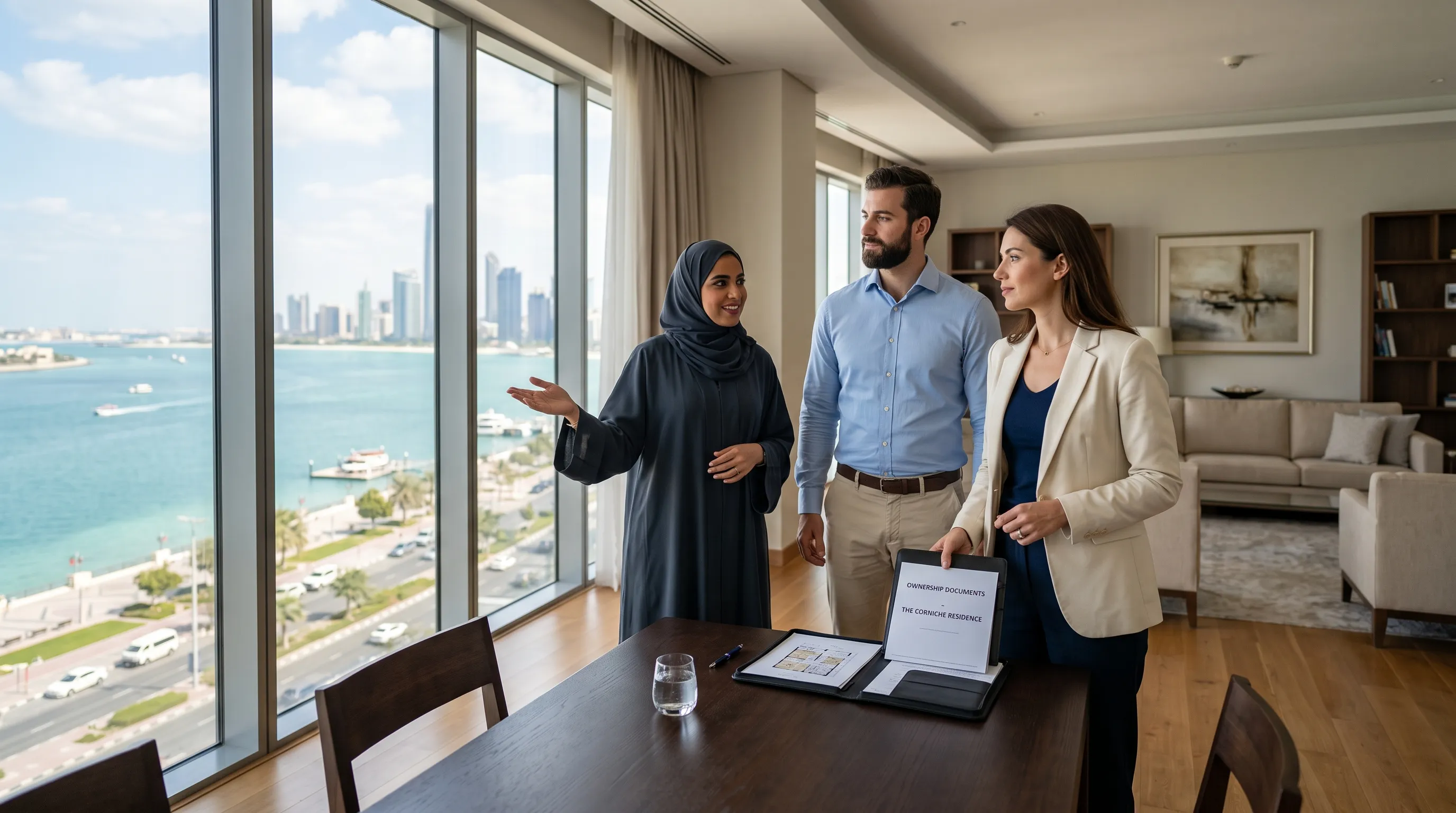
Buying Resale in Dubai vs Abu Dhabi: The Hidden Differences
Buying resale in Dubai vs Abu Dhabi: the hidden differences in fees, land authorities, ownership zones, and process, an
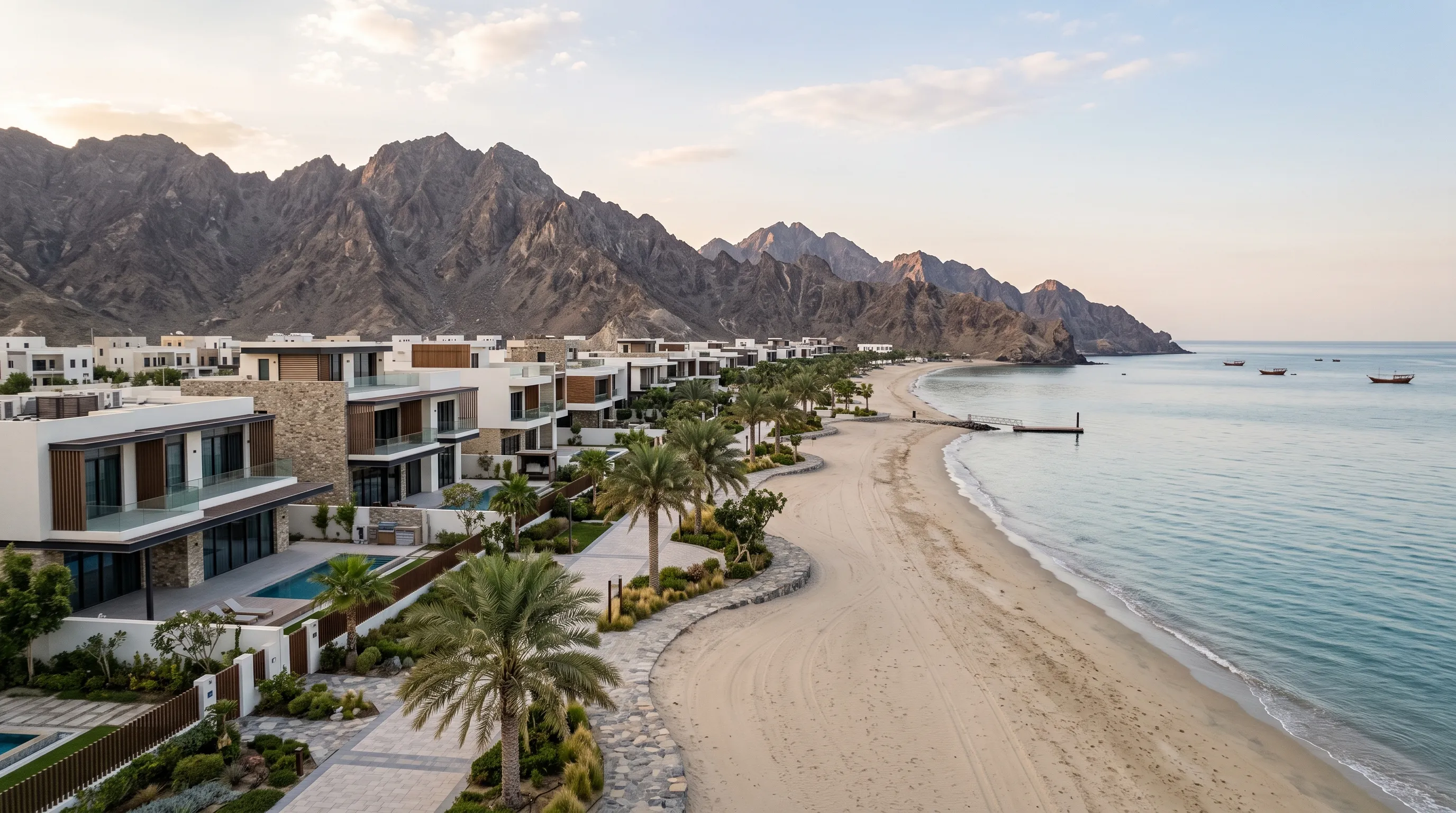
Fujairah Property: The Quiet Emirate Nobody Talks About
Fujairah property, honestly: the UAE's quiet east-coast emirate, its lifestyle appeal, the thin market and limited owne
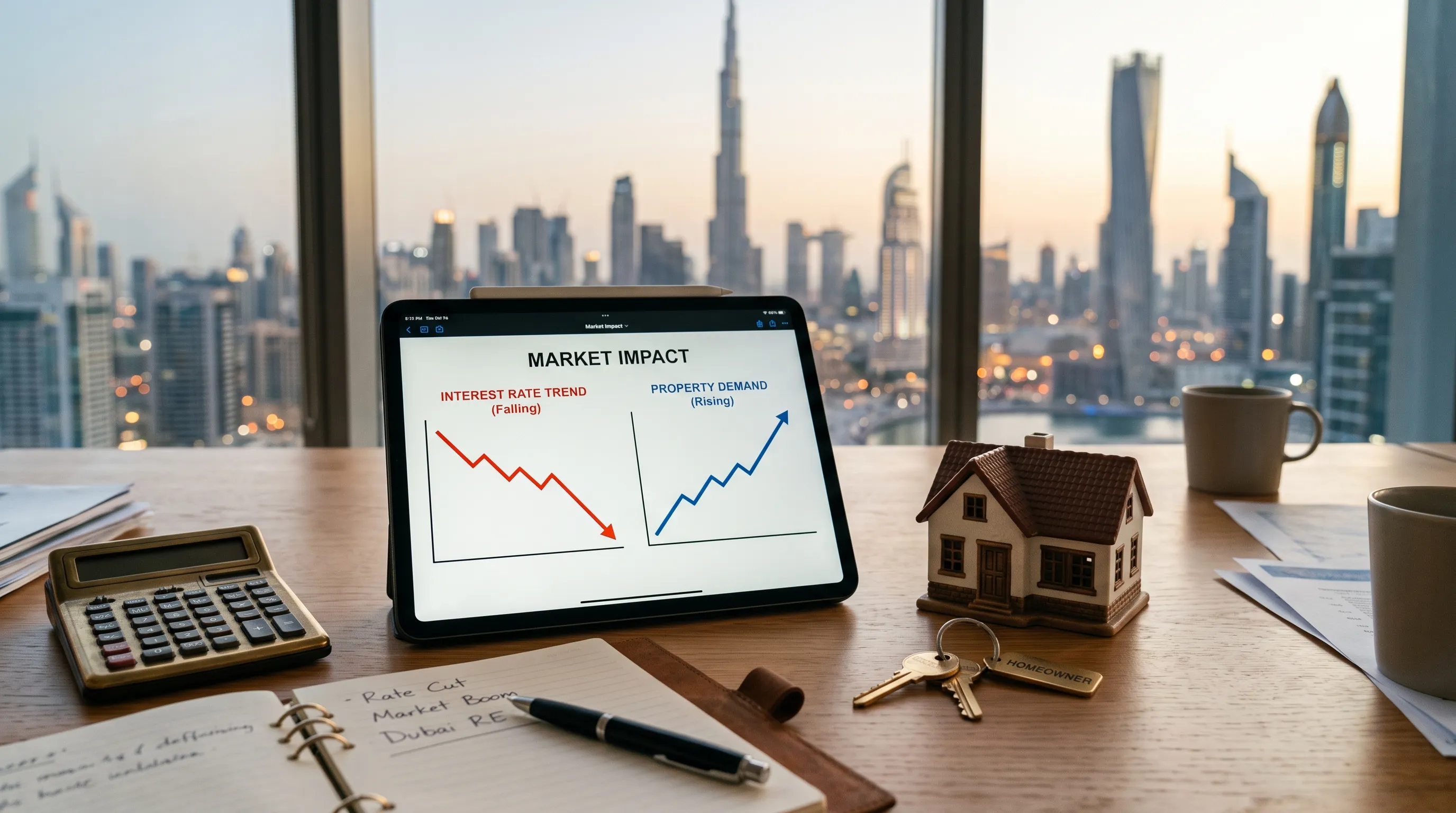
How Interest Rate Cuts Affect Dubai Property: What Buyers Should Know
How interest rate cuts affect Dubai property: why UAE rates track the US, how cheaper mortgages move demand and prices,
Echoes, in your inbox
One thoughtful email a month. Market insight, new launches, no spam.