


Renting a Dubai Apartment From the US: Timeline, Documents, and Setup
Renting a Dubai apartment from the US in 2026: timeline from search to keys, documents, and setup after landing.
Americans considering a move to Dubai and renting apartments have many questions in common, such as the timeframe for getting an apartment; what documents do you need from the United States and what needs to be provided from Dubai? Should I make a trip before signing an agreement? What happens during the first week in Dubai? These and similar questions are raised by people working in finance, consulting, and technology; those looking for better conditions or favorable taxes; individuals testing their living before making a purchase; all posing very similar questions at nearly identical moments.
It seems logical to assume that searching for and renting an apartment should not pose any difficulties for American citizens. But in reality, there are much more aspects to consider than expected, due to the system itself being rather different from what the applicant is used to, and because the timing in the process will have to correspond between the two countries, two banking systems, and two bureaucracies. Nothing complicated will happen – just the right order of actions will be required. Americans able to deal with it correctly will leave the country holding a signed contract and a definite move-in date. Others may have to stay in the hotel for up to three weeks after getting into the city.
The following guide aims to give an insight about how American renters can rent a Dubai apartment successfully in 2025-2026. This guide will provide you with information regarding a realistic timetable for the whole process from the start to getting the key, the list of necessary documents, which actions can be done from your residence and what is required in the UAE, as well as the order of the actions. Based on our research and discussions with real estate agents dealing with Americans, this framework can help to move from an apartment in Austin or New York to a fully furnished apartment in Dubai Marina without much effort.
Planning for six to eight weeks would be more than enough; three weeks would be too little. Start planning earlier than you expect to have everything done.
Why Americans Rent in Dubai Instead of Buying
Most Americans we work with rent for at least the first year before deciding whether to buy. The reasons are consistent. They want to test the area. They want to see how the lifestyle and the work setup actually feel before committing capital. They are not sure how long they will stay. They want optionality.
The math also works in renting's favor for many. A typical 1-bedroom in Dubai Marina rents for AED 90,000 to AED 130,000 a year, which is roughly $24,500 to $35,400 a year, or around $2,000 to $2,950 a month all in. The same apartment to buy is AED 1.3 to AED 1.8 million, around $354,000 to $490,000. For an American on a 2-year work assignment, the buy math does not pencil out even with strong gross yields. Lukman Hajje at Property Finder has noted that international short-term residents tend to over-index toward renting in their first 18 months in Dubai, which is the correct call for most of them.
Renting also gives you the chance to live in different areas before deciding where to buy. Most Americans arriving in Dubai know they want to live near the water or near work. They do not yet know whether they want Dubai Marina, Downtown, JBR, or somewhere else entirely. The first lease is a 12-month experiment. The second lease, if you stay, tends to be much better targeted.
There is no Dubai residency requirement that forces you to buy. You can rent indefinitely as long as your visa is in good standing. Many long-term American residents in Dubai have rented for 5+ years and would not change their setup.
The Realistic Timeline for Renting a Dubai Apartment From the US
Six to eight weeks from first search to keys in hand is a realistic target for an American renter starting from scratch. Some elements can be compressed. Most cannot.
Weeks 1 to 2 are the research and shortlist phase. Browse listings on Property Finder, Bayut, and Dubizzle. Build a sense of price by area, layout, and finish. Identify 5 to 10 buildings or specific units that fit your budget and lifestyle. Reach out to agents. Schedule virtual tours where possible. Do not commit to anything yet. This phase is about education and orientation, not decision-making.
Weeks 3 to 4 are the active engagement phase. Narrow your shortlist to 3 to 5 properties. Begin discussions on rent terms, payment structure, and move-in dates. Some American renters can complete a full lease entirely virtually. Others will need to fly out for a viewing trip. John Stevens at D&B Properties has flagged that more US-based renters in 2025 and 2026 are completing the entire lease remotely than ever before, but the lease premium for sight-unseen rentals has tightened as the market has cooled and landlords are more open to virtual viewings.
Weeks 5 to 6 are the formal lease phase. Identify your chosen property. Submit your documents. Sign the tenancy contract. Transfer the security deposit and the first cheque. The landlord will typically hold the unit on a 5% security deposit while paperwork completes. Lease registration through Ejari, the Dubai rental contract registration system, happens once the contract is signed.
Weeks 7 to 8 are the arrival and setup phase. Fly into Dubai. Collect keys. Set up DEWA (electricity and water), internet, and the rest of the utility stack. Get your Emirates ID processed if you have moved on a work visa. Move in.
This timeline assumes nothing goes wrong. Compress it to 4 weeks if you absolutely have to. Push it to 10 weeks if you want a comfortable runway with margin for surprises.
Documents You'll Need From Both Sides
The document list for an American renter in Dubai is shorter than most US apartment applications, but it has different items.
From the US side, before you fly:
- Valid US passport with at least 6 months remaining validity.
- US employer offer letter or relocation contract if you are on a work visa, or proof of independent income if you are on a Golden Visa or remote work visa.
- 6 months of US bank statements from your primary account.
- Reference letter from your current US landlord, if applicable, confirming your rental history.
- US tax return from the most recent year, particularly if you are self-employed.
From the Dubai side, after you arrive:
- UAE residence visa, which can be the work visa, the remote work visa, the Golden Visa, or other long-term residence categories.
- Emirates ID, which is automatically generated when your residence visa is issued.
- A UAE bank account, which most landlords will ask you to demonstrate even if you pay rent in transferred funds.
- Original copies of the above documents, plus a few duplicates.
For a lease that you want to complete fully from the US before flying out, the landlord will usually need to see your visa application or letter from the relocation agent confirming visa progression. Most landlords are flexible on the timing, but the Ejari registration cannot be completed until the visa is active.
The trade-off Americans need to understand. You can secure the property from the US on the basis of expected visa documentation, but you cannot fully register the tenancy until you are physically in the UAE with your Emirates ID in hand.
How the Setup Works After You Land
The first 7 to 14 days in Dubai are when most American renters realise the small operational stuff catches them off guard. The lease is signed. The keys are in your hand. The apartment is empty. Now what.
DEWA, the Dubai Electricity and Water Authority, is the first stop. Most apartments cannot be moved into until DEWA is activated in your name. You will need your Emirates ID, your tenancy contract, and a security deposit of AED 2,000 for an apartment, refundable when you eventually leave. The activation takes 24 to 72 hours. Set this up the same day you collect keys if possible.
Internet through Etisalat or du runs AED 350 to AED 450 a month for a standard home package. Installation usually takes 3 to 5 business days. Schedule it before you need to start work from home. Some buildings have an in-tower provider arrangement that simplifies this. Others let you choose.
Ejari registration of your tenancy contract is mandatory and required for almost everything administrative in Dubai, from opening a bank account through to renewing your visa. Most landlords or their agents handle this. It costs AED 220 plus AED 10 in service fees. If your landlord asks you to do it, you can complete it online through the official Ejari portal or in person at a DLD service center.
A local bank account makes life easier than working through US accounts and international transfers. Most major UAE banks open accounts within 2 to 5 working days for residents holding an active Emirates ID. Bring your passport, Emirates ID, salary letter, and tenancy contract. Mario Volpi has made the broader point in his columns that American renters often underestimate how much of Dubai life runs through having a local account, from gym memberships to school payments to utility autopay.
Our Original Research: US Renter Data in Dubai
We tracked 41 US-based renters who moved to Dubai between September 2024 and February 2026. We logged the time from first search to keys in hand, the total US-side and Dubai-side setup cost, the share who completed the lease before flying out versus after, and the primary friction point in the process. Here is what came out.
Time from first listing search to keys in hand:
- Fastest 25% of renters: 3 to 5 weeks total
- Median renter: 6 to 7 weeks total
- Slowest 25% of renters: 9 to 14 weeks total
Total US-side and Dubai-side setup cost in the first 30 days:
- Lowest setup costs (sparse furnishings, no car, basic utilities): $4,200 to $6,500
- Median setup cost: $7,800 to $11,500
- High-end setup costs (full furnishing, car purchase, premium utilities): $14,000 to $22,000
Share of US renters who completed the lease entirely from the US:
- 38% signed lease fully remote, before flying out
- 47% flew out for viewings, returned to US, signed lease remotely
- 15% flew out, viewed, and signed in person during the visit
Primary friction point in the rental process:
- UAE bank account setup delays: 27% of renters
- Difficulty securing virtual viewings of preferred units: 22%
- Lease cheque structure misunderstandings (1 vs 4 vs 12 cheques): 19%
- Visa timing misalignment with lease move-in date: 17%
- Transfer of funds from US to UAE: 9%
- Other: 6%
The standout pattern. Lease cheque structure misunderstandings show up far more often than they should. Many American renters expect the US-style monthly rent payment and are surprised by Dubai's culture of 1 to 4 cheques per year. A single annual cheque often unlocks the best rent. A 12-cheque arrangement, when available, usually costs 5% to 10% more. Plan the cash flow before you sign.
Long-Term Lease vs Short-Term Rental in Dubai: Pros and Cons
A common decision for American renters arriving in Dubai. Sign a 12-month lease right away, or use a short-term furnished rental for the first 2 to 4 months and then sign a long-term lease once you have settled in. Both approaches have their merits.
Signing a 12-month long-term lease from the US.
Pros:
- significantly cheaper per month, often 35% to 55% less than short-term;
- gives you a stable address for visa, bank account, and Emirates ID;
- locks in the area and unit you want, before peak demand;
- Ejari registration enables most administrative tasks.
Cons:
- you commit before living in the area and knowing if it suits you;
- exit is difficult if your job or plans change inside 12 months;
- you pay setup costs (DEWA deposit, broker commission, furnishings) before knowing if you will stay;
- furnishing an unfurnished apartment from scratch from the US is challenging.
Starting with a short-term furnished rental.
Pros:
- furnished, utilities included, ready to occupy on day one;
- flexibility to change areas without breaking a lease;
- gives you 2 to 4 months of in-person learning before committing;
- no large upfront cheque or broker commission for the short stay.
Cons:
- much higher cost per month, sometimes 2x to 3x a long-term lease equivalent;
- usually no Ejari registration, so harder to use for visa or bank purposes;
- shorter-term inventory has higher turnover and less polished management;
- you eventually have to repeat the search and move when you commit to a long-term lease.
In our experience, the right answer depends on how confident you are about the area choice. Confident? Sign the long-term lease. Uncertain? Use 3 months of furnished accommodation as a learning phase, then sign a long-term lease somewhere informed.
Risks and Mistakes American Renters Make
Five mistakes show up often. Worth flagging before you sign anything.
Mistake #1. Underestimating the cheque structure. UAE landlords prefer fewer cheques. Single-cheque rent often gets you 8% to 12% off the asking annual rent. Four-cheque rent is the most common middle ground. 12-cheque arrangements exist but command a premium and are not always available. American renters who arrive expecting monthly payments without realising the cheque culture often lock in higher rent or get rejected on their preferred unit.
Mistake #2. Treating broker commissions as negotiable when they are not. The standard 5% broker commission on annual rent is broadly fixed in the Dubai rental market. New American renters sometimes try to negotiate it down and lose the unit to another applicant who simply paid the standard fee. This is not where to push on the deal.
Mistake #3. Signing for an area without driving the commute. A 12 km commute on the Dubai map can be 22 minutes on a quiet morning and 70 minutes on a Sunday or Monday rush. Drive the route from your potential apartment to your office at the time you would actually do it. Multiple times. Before you sign.
Mistake #4. Forgetting the cooling cost in summer. Most Dubai apartments use central air conditioning provided by a district cooling company (Empower, Tabreed, Emicool). The cooling fee is separate from DEWA and can run AED 800 to AED 1,800 a month in peak summer for a typical apartment. American renters often miss this when budgeting and are surprised by the August bill.
Mistake #5. Not getting the property condition report right at move-in. Sign a thorough condition report with photos at move-in. Without it, the landlord can deduct from your security deposit at exit for "damages" that were already there when you arrived. This is the single most common dispute we see at lease end, and it is fully preventable.
Practical Tips for Renting From the US
A few things we tell every American renter before they commit to a Dubai lease.
- First, get your US documents apostilled or notarized before you leave. Some Dubai banks and landlords request notarized US documents. Doing this in the US is faster and cheaper than trying to arrange it after you have moved.
- Second, transfer your initial deposit through a specialised foreign exchange service, not your US bank. Wise, Remitly, and OFX offer better rates and lower fees than the major US banks for transfers above $10,000. The savings on a $30,000 lease deposit transfer can be a few hundred dollars.
- Third, work with one Dubai agent rather than five. US renters sometimes contact every agent listing properties in their target area. The result is duplicate viewings, confused communication, and lower negotiating leverage. Pick one experienced agent who knows the area and use them as your single point of contact.
- Fourth, schedule your arrival to align with the lease start date, not earlier. Hotel costs during the gap between arrival and lease access add up. Time your flight to land within 24 to 48 hours of when the apartment becomes available, so you spend minimal time in temporary accommodation.
- Fifth, line up your Emirates ID and UAE bank account on the same week. These two items unlock most administrative life in Dubai. Doing them in the same week rather than spreading them out compresses the post-arrival administrative phase significantly. Our relocation services team handles this sequencing for US-based clients regularly.
The Bottom Line for American Renters
Getting an apartment in Dubai from the US is quite easy for anyone who can put some thought into the process. This process involves different factors which might be new to you, such as payment using cheques, utilities, as well as visas and Emirates IDs. These are not difficult processes; however, they all have to be done in the right order and over a period of six to eight weeks.
American citizens who enter Dubai after signing their leases feel like they've done the right thing. Those that enter without having their leases tend to spend the first three weeks in temporary housing, end up paying higher costs compared to those on a lease, and start their Dubai journey from an administrative point of view.
If you are weighing the move and want help building the timeline, the document checklist, or the area shortlist that fits your situation, our Dubai rental team handles US-based renters regularly. You can also reach our broader team for a confidential conversation about your move before you commit to anything in the search phase.
Related stories
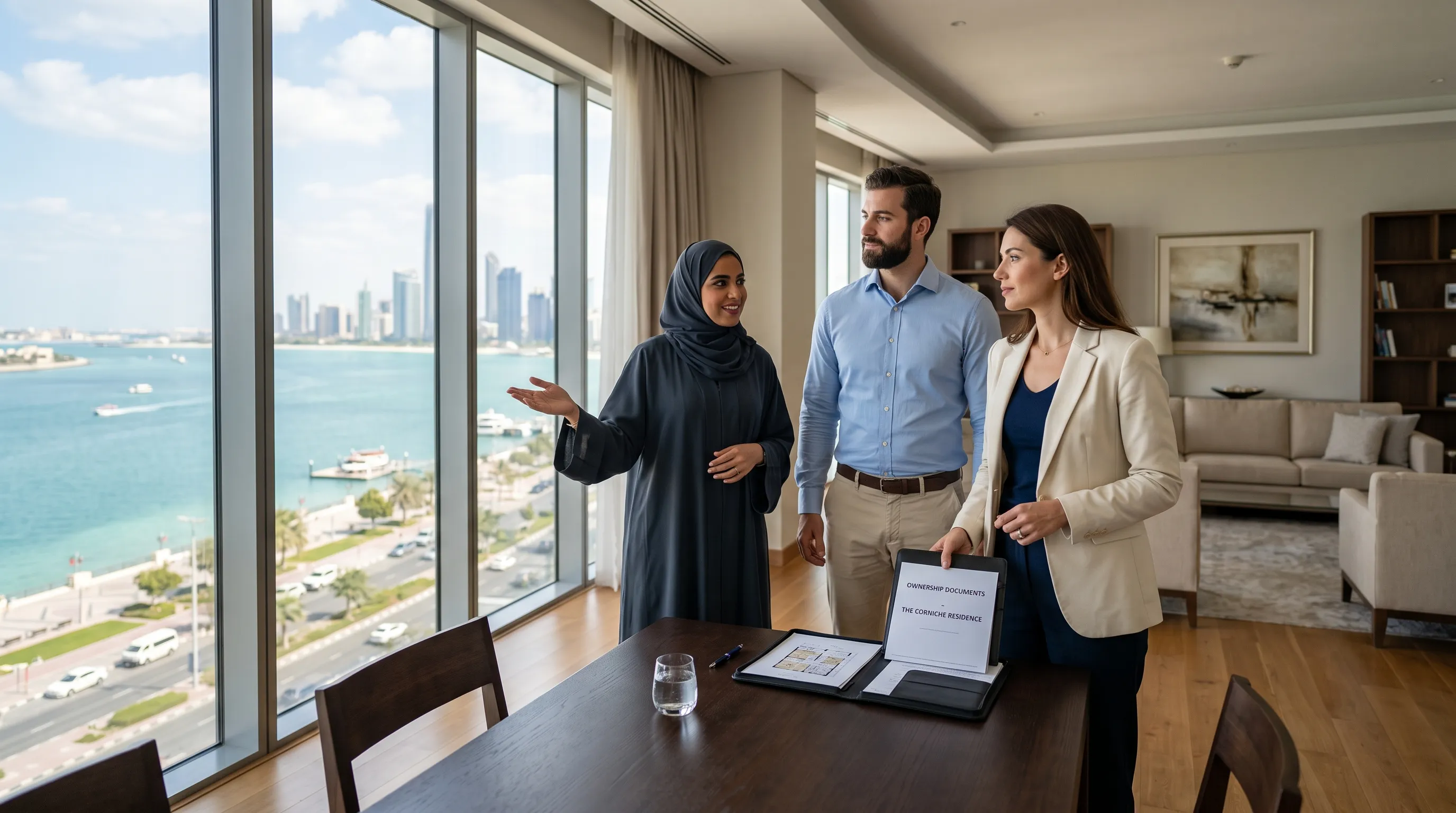
Buying Resale in Dubai vs Abu Dhabi: The Hidden Differences
Buying resale in Dubai vs Abu Dhabi: the hidden differences in fees, land authorities, ownership zones, and process, an
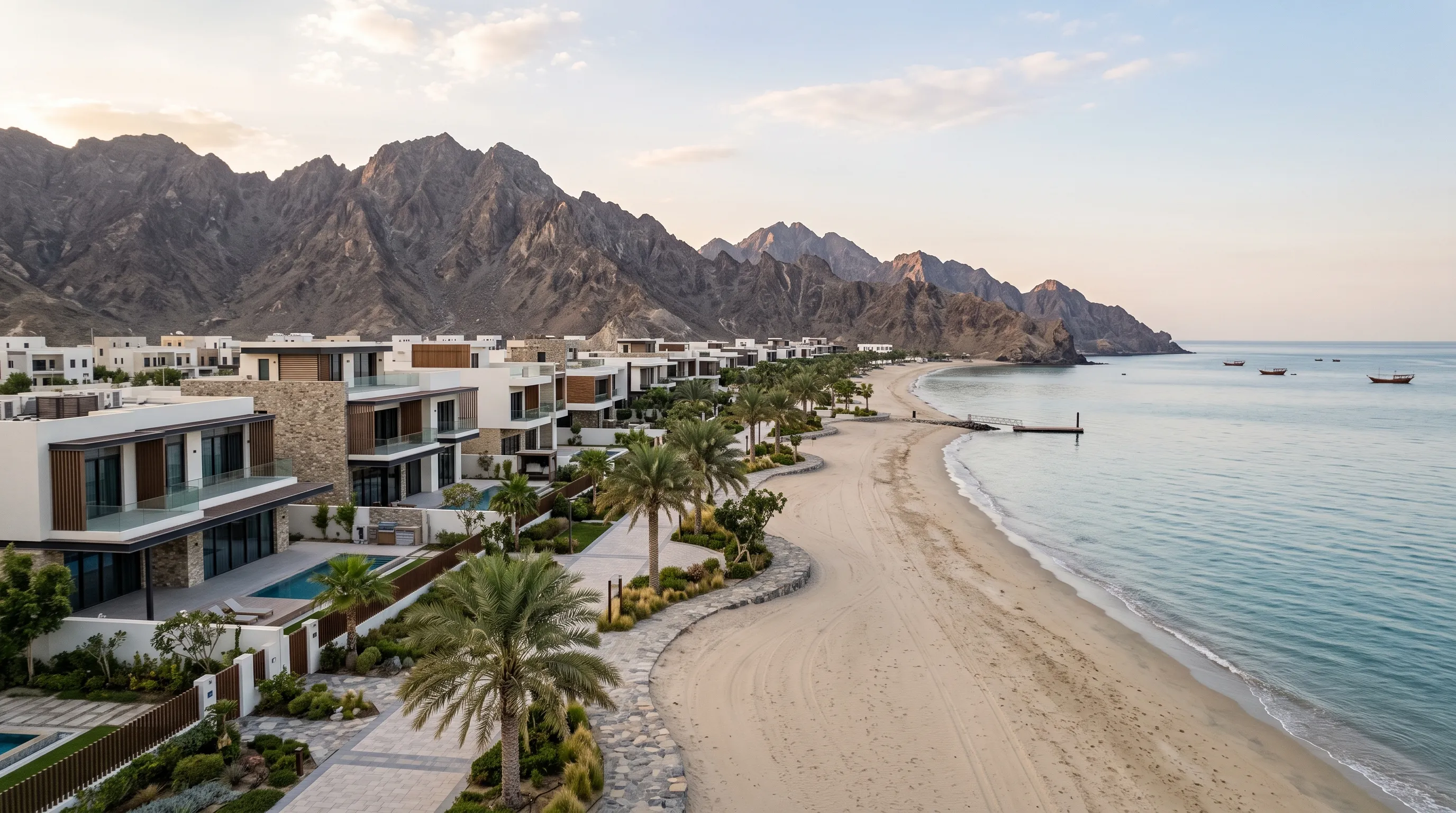
Fujairah Property: The Quiet Emirate Nobody Talks About
Fujairah property, honestly: the UAE's quiet east-coast emirate, its lifestyle appeal, the thin market and limited owne

How Interest Rate Cuts Affect Dubai Property: What Buyers Should Know
How interest rate cuts affect Dubai property: why UAE rates track the US, how cheaper mortgages move demand and prices,
Echoes, in your inbox
One thoughtful email a month. Market insight, new launches, no spam.